Projects & Initiatives
OUR WORK IN ACTION
Giving Rise to the Regional Grainshed
Common Grain Alliance advances a resilient, connected regional grain economy by bringing farmers, processors, buyers, and communities together around shared challenges and opportunities.
Much of our work is supported through time-limited, grant-funded projects—but the relationships, tools, and systems we build are designed to last.
Across our projects, CGA focuses on strengthening supply chains, supporting farmers through transition, building market demand for regional grains, and addressing the infrastructure barriers that limit growth.
Below are examples of how this work is taking shape today, along with selected projects that continue to inform our efforts.
Program Areas
VALUE CHAIN DEVELOPMENT
Strengthening relationships, standards, and coordination across the regional grain economy.
We work to strengthen connections between grain growers, processors, and end users by improving coordination, transparency, and shared understanding across the value chain. Our projects focus on market alignment, business relationships, and system-wide planning that supports long-term viability.

MARKET DEVELOPMENT & EDUCATION
Building demand and market clarity for regionally grown grain and grain-to-table products.
Growing regional grain systems requires strong markets, and we work to grow demand for regional grain by helping buyers and consumers understand its value. Through educational materials, and market research, and public-facing programming, we support grain-to-table initiatives, clarify sourcing expectations, and strengthen the market pathways that connect regional producers with end users across the Mid-Atlantic.
INFRASTRUCTURE COORDINATION
Identifying and supporting the shared infrastructure needed for resilient regional grain systems.
From grain cleaning and storage to aggregation and logistics, infrastructure plays a critical role in regional grain economies. Through assessments, mapping, and facilitated stakeholder conversations, we help identify gaps and support shared solutions that enable regional grain systems to scale sustainably.
current projects
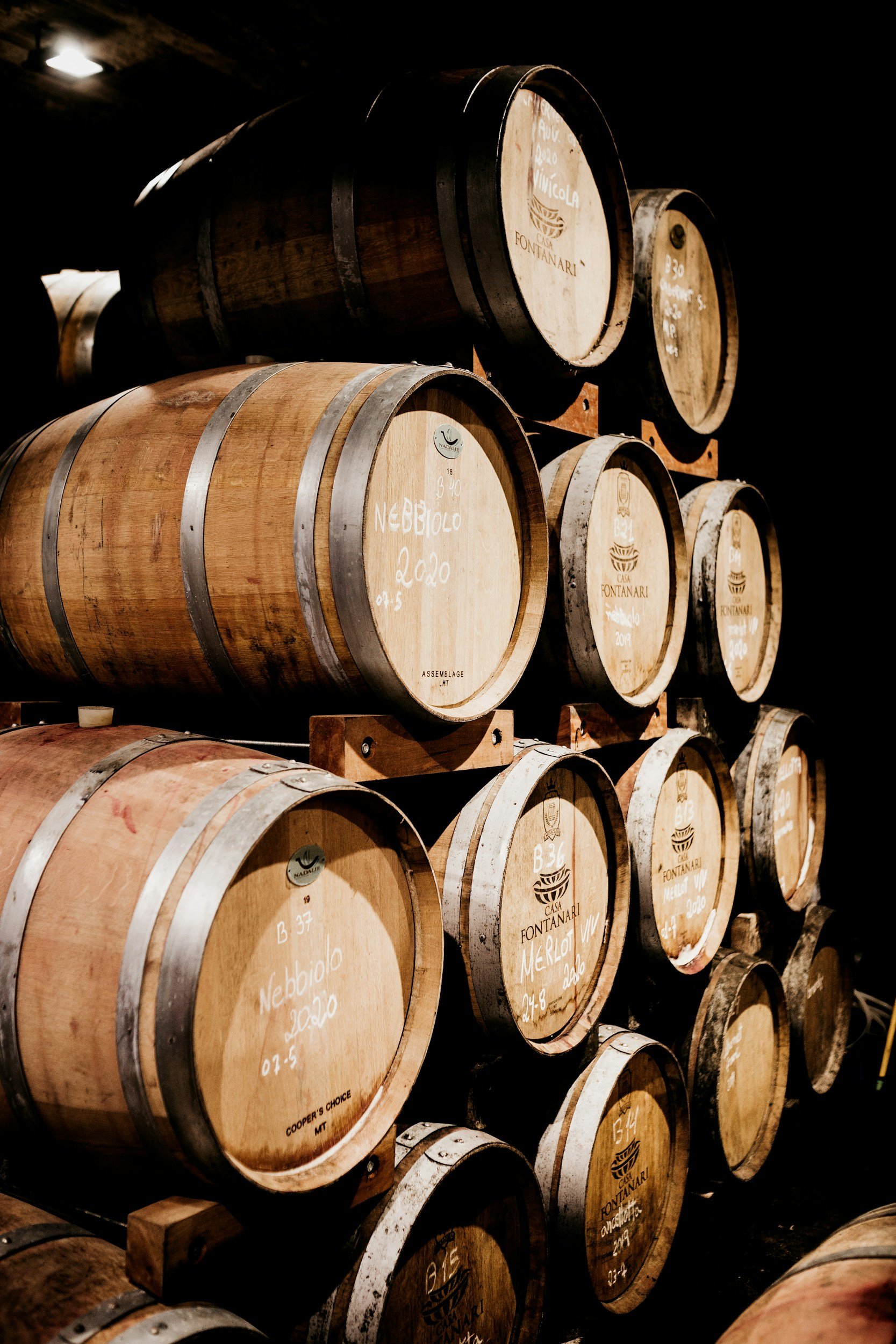
Activating the Grain-to-Glass Supply Chain
Reducing barriers for distillers to source Mid-Atlantic grain
This multi-year initiative strengthens the connection between Virginia grain producers and distillers by improving how regional grain moves through post-harvest supply chains. CGA works across the grain-to-glass system—including distillers, farmers, maltsters, and processors—to expand the practical use of Mid-Atlantic grains in spirits production.
Building on earlier work that mapped regional grain infrastructure and convened supply chain stakeholders, this phase of the project focuses on implementation support. The emphasis is on helping distillers move from awareness of regional sourcing to active procurement by reducing real-world barriers related to specifications, pricing, logistics, and supplier coordination.
Through this work, we’re translating infrastructure knowledge into usable tools and relationships, including distiller-facing sourcing resources, targeted technical assistance, supplier matchmaking, and applied learning opportunities through industry convenings and conference programming. These efforts are designed to support decision-making in real sourcing contexts, rather than introductory education alone.
While grounded in Virginia’s spirits industry, this work also contributes to broader Mid-Atlantic supply chain development. By improving how regional grain sourcing functions in practice—particularly at the post-harvest stage—CGA is developing approaches that can be adapted across the region to strengthen coordination, improve market efficiency, and expand the use of locally and regionally grown grain.
Explore findings from CGA's assessment of Virginia's grain-to-glass supply chain, including sourcing challenges, infrastructure needs, and opportunities for regional market development.
Why it matters
For distillers
This work helps distillers more confidently source regional grain by reducing uncertainty around suppliers, specifications, pricing, and logistics. It creates clearer pathways for incorporating Virginia and Mid-Atlantic grains into production, supporting both operational feasibility and product differentiation.
For farmers and grain producers
By strengthening demand signals and improving access to distillers, this project expands market opportunities for regional grain producers. It helps create more stable, transparent relationships between growers and end users, supporting diversified and higher-value markets.
For consumers
As grain-to-glass storytelling and sourcing transparency increase, consumers gain a clearer understanding of where spirits come from and how they are made. This strengthens demand for regionally rooted products and supports premium value for Virginia spirits.
For the broader regional grain system
The project improves coordination across post-harvest infrastructure and supply chains, strengthening the overall efficiency and resilience of the Mid-Atlantic grain economy. It also generates models and tools that can be applied beyond Virginia to support regional grain development more broadly.
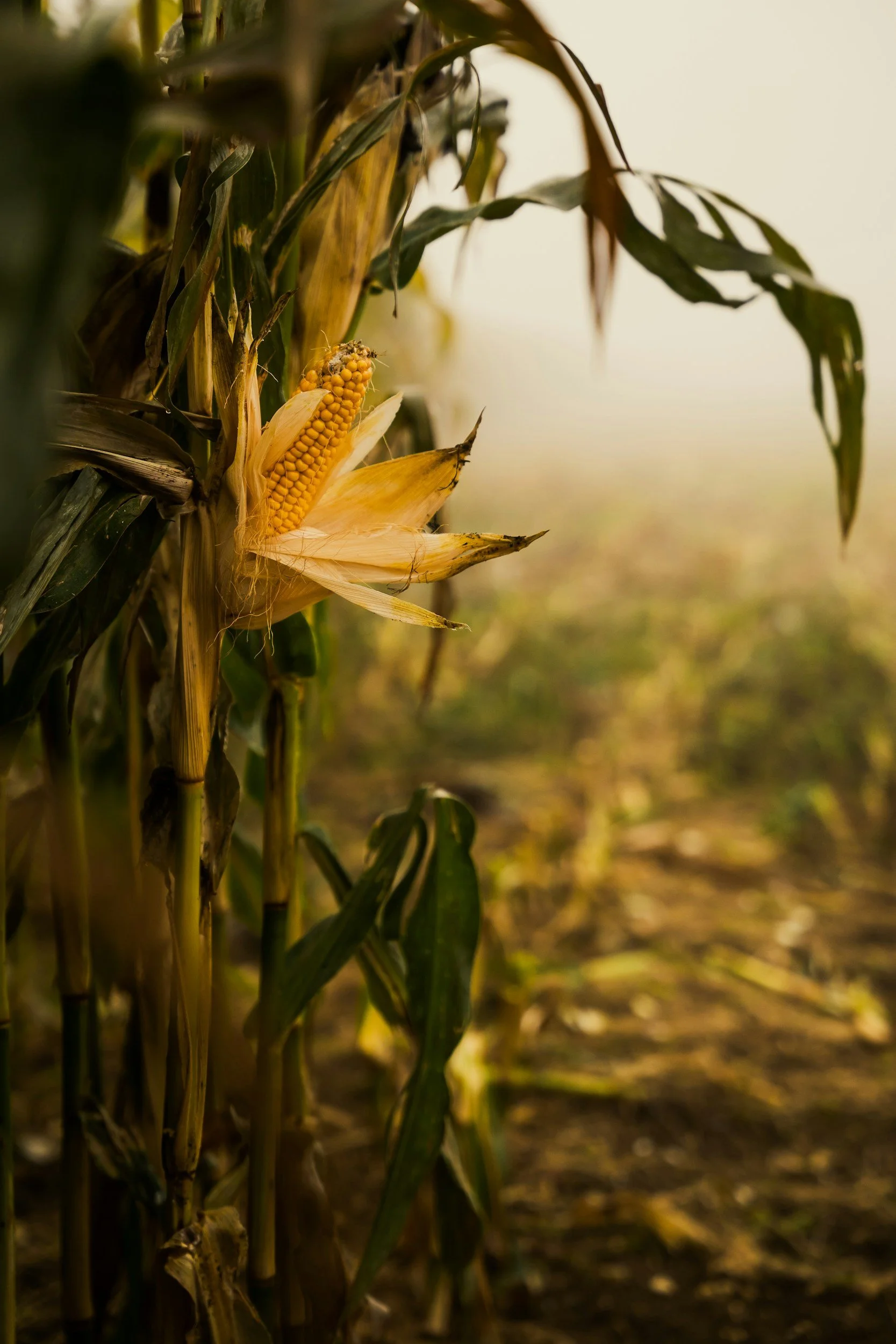
Building networks for Organic Grain Markets
Building on CGA’s regional grain supply chain assessment, this project focuses on strengthening the social and organizational infrastructure that supports coordination across the organic and transitioning grain sector. Our goal is to improve how producers, processors, buyers, and support organizations communicate, align expectations, and move grain through regional supply chains by utilizing existing infrastructure.
Through this work, we’re developing and testing readiness resources that help producers and buyers better navigate organic market requirements, coordination tools that improve communication between supply chain actors, and pilot partnerships that test new models for aggregation, distribution, and supply chain coordination.
While the project is centered on organic and transitioning grain producers in alignment with TOPP priorities, it is also designed as a testing ground for systems that can strengthen the broader regional grain economy over time.
Laying the groundwork for scalable organic grain markets through coordination, standards, and shared infrastructure
Why it matters
For organic and transitioning farmers
This work supports farmers navigating the transition to organic production by improving access to peer networks, market information, and practical tools for certification and sales. It helps reduce isolation and increases confidence in entering organic grain markets.
For processors and buyers
By developing shared standards, coordination tools, and readiness resources, this project improves clarity and alignment between organic growers and downstream buyers. This makes sourcing organic regional grain more predictable and scalable.
For farmers across the broader grain economy
Tools and systems developed in the organic sector—such as readiness assessments, coordination platforms, and shared standards—can be adapted to support non-organic and mixed-production systems, strengthening the regional grain economy as a whole.
For the regional food system
This project strengthens transparency, traceability, and coordination in grain supply chains while building the infrastructure needed to support more resilient and diversified agricultural systems across the Mid-Atlantic.
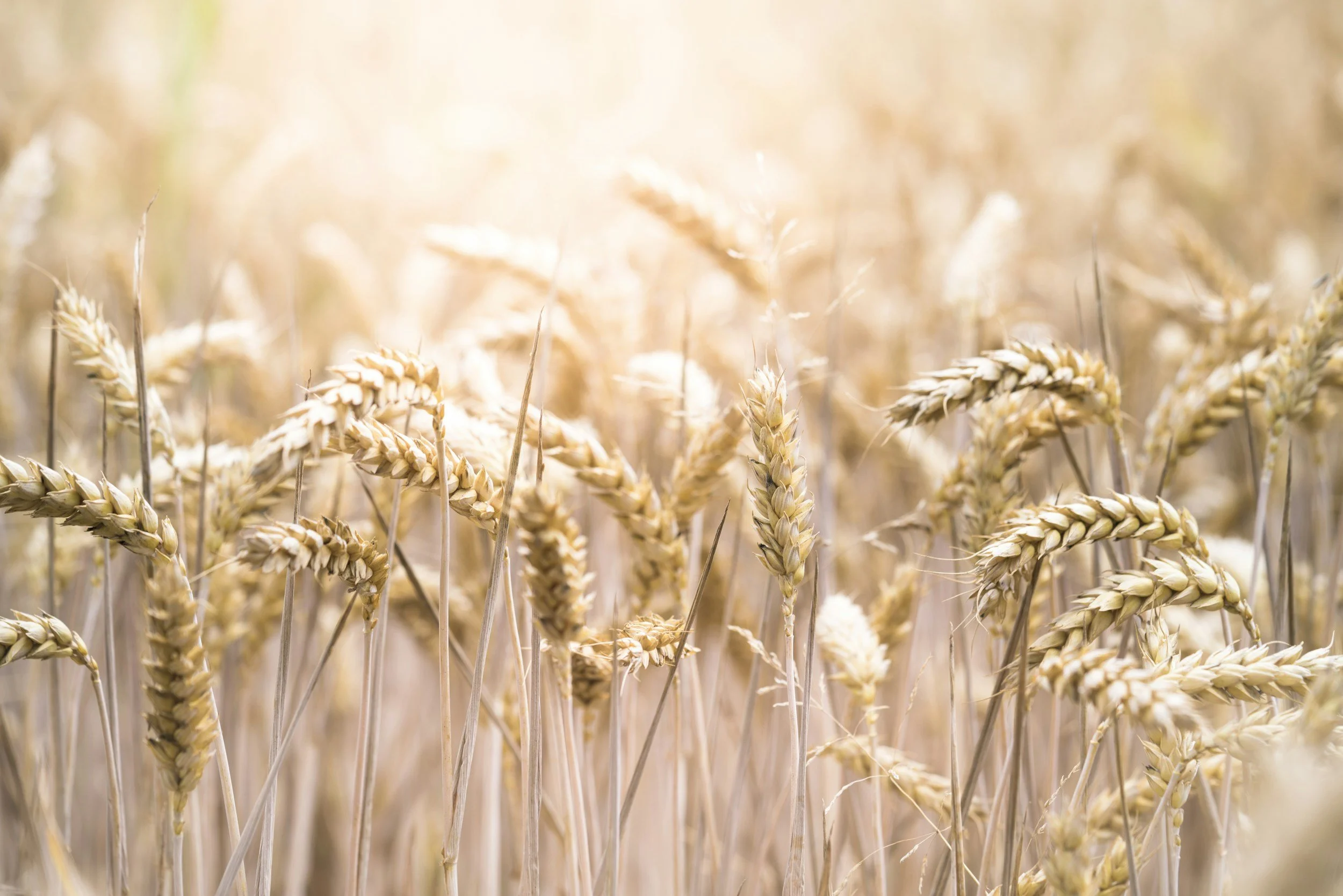
Virginia Heritage Grain Project
In partnership with Shelley Sackier, Director of Distillery Education at Reservoir Distillery
Defining a new category of American spirits rooted in regional agriculture: VHGP is powered by an Innovator's curiosity — the drive to ask “why not?” instead of settling for “why?” We're on a mission to rediscover the forgotten grain varieties that once defined American spirits — and in some cases, the American table long before that.
This project is a multi-year research and market development initiative exploring how historic grain varieties can shape the future of American spirits. Launched in 2023 by Shelley Sackier, Director of Distillery Education at Reservoir Distillery, the project began with a central question: Do the grains that built early American distilling still hold untapped potential for flavor, differentiation, and agricultural resilience today?
Unlike commodity grain systems optimized primarily for yield and uniformity, VHGP tests whether heritage grains can offer greater flavor complexity, stronger product differentiation, and improved resilience within regional farming systems.
By evaluating heritage grain varieties from seed to spirit through an integrated field-to-glass research model, the project combines four connected areas of work: seed sourcing and preservation, field trials and agronomic research, controlled distillation and sensory analysis, and early-stage market testing with distillers and culinary partners.
Together, these stages help identify which grain varieties perform well in the field, express distinctive character in distillation, and show potential for broader commercial adoption. The project also explores multiple end-use pathways—including brewing, baking, and culinary applications—to ensure that farmers have diversified markets and reduced risk when experimenting with non-commodity crops.
Creating high-value opportunities for farmers and distillers through research-driven grain innovation
Why It Matters
For distillers
VHGP offers a research-backed pathway to differentiate products through flavor, story, and regional identity in an increasingly competitive spirits market.
For farmers
The project reduces risk in growing alternative grains by testing performance before scale-up and developing multiple potential market channels, including distilling and culinary use.
For the broader food system
VHGP supports agricultural biodiversity, soil health, and regional economic resilience while helping preserve historically significant grain varieties and their role in American agricultural heritage.
join the project!
-
Why Not Grow History? CGA recruiting farmers for the Fall 2026 and Spring 2027 growing seasons!
Fall plantings include heritage varieties of rye, wheat, and/or barley, and Spring plantings will include heritage varieties of corn. All participants will be part of a multi-year research initiative backed by the Virginia Spirits Board and conducted alongside Virginia Tech researchers. Selected growers will work directly with our team to produce these heritage varieties from seed to harvest — with the goal of partnering with a distiller to produce a bottled spirit that tells your farm's story.
What we're looking for:
Virginia Farmers (and neighboring states) with acreage for grain and/or small plots available for trials
Ability to plant, manage, harvest, and deliver grain in good faith
Curiosity about heritage/heirloom grain varieties and openness to experimentation and sustainable crop rotation
Commitment to reporting on field notes and production information in any practical format
What you'll gain:
Compensation based on program tier
Free planting stock for rare heritage varieties
Collaboration with Virginia Tech agronomists and researchers
Market-differentiated, climate-resilient crops that sets your operation apart
A shot at pairing with a distillery for the Revival Series bottle collection
Possible connections with chefs and culinary partners also exploring these varieties, beyond the still
Interested growers should contact the Farm & Field Lead:
Jessica Roberts at programs@commongrainalliance.org
-
Culinary Collaborators Wanted: Explore Heritage Grain Flavor Beyond the Barrel
VHGP isn't just uncovering forgotten flavors for spirits — we're cross-pollinating ideas across industries to ask what these grains can do on the table, too.
We're inviting millers, bakers, maltsters, and chefs to put these grains to work– exploring the milling quality, baking performance, malting characteristics, and flavor profiles of heritage grain varieties currently under cultivation and study. Your expertise will help us spot high-potential concepts and understand the full value of these grains — not just as distillate, but as ingredients worth building a menu, a bakery case, or a grain bill around.
What we're looking for:
Millers interested in test-milling heritage grain varieties
Bakers willing to trial heritage flour in small-batch recipes
Maltsters curious about malting characteristics of heritage grains
Chefs interested in incorporating heritage grains into culinary applications
What you'll gain:
Early access to rare heritage grain varieties
A voice in shaping how these grains are evaluated and promoted
Recognition as a named project partner, with visibility across our industry network
The opportunity to be part of a growing movement connecting agriculture, culinary arts, and craft spirits
Interested culinary partners should contact Farm & Field Lead, Jessica Roberts: programs@commongrainalliance.org
Mid-Atlantic Grain Stand
Proving consumer demand and generating real revenue for regional grain producers through direct market access
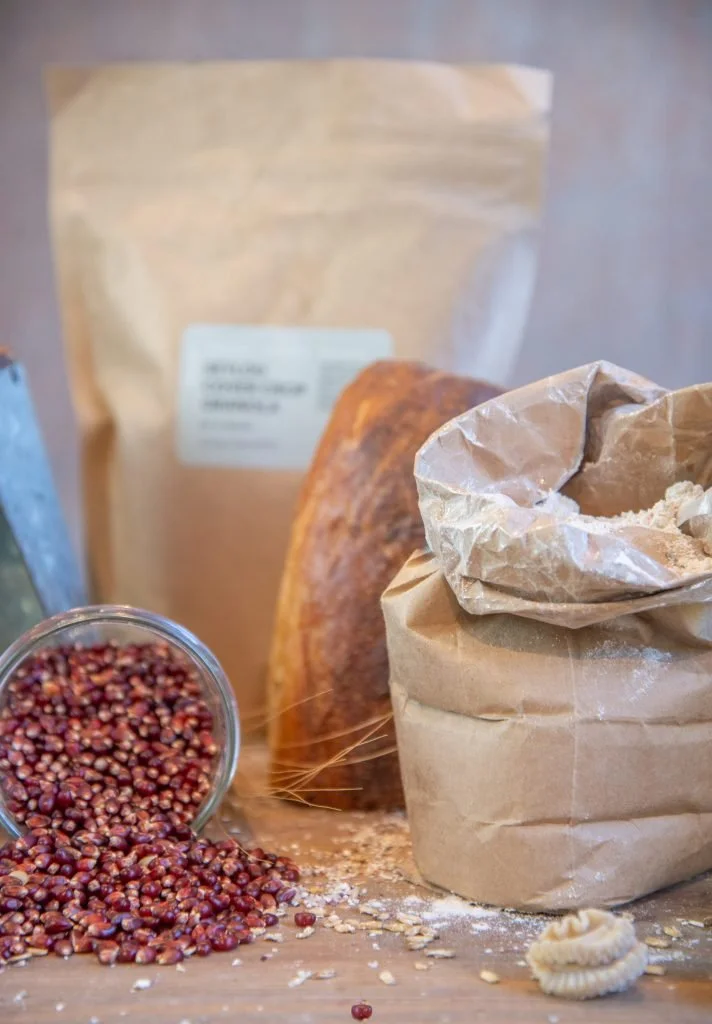
The Mid-Atlantic Grain Stand is a direct-to-consumer market initiative developed by CGA in partnership with FRESHFARM to create new retail and distribution channels for regional grain. Launched in 2021, the program operates within FRESHFARM’s farmers market network, aggregating products from multiple Mid-Atlantic grain producers and selling them through a shared market platform.
By coordinating sourcing, storage, transportation, and retail, the Grain Stand reduces the burden on individual farmers while creating a consistent and visible presence for regional grains in public markets. The model also includes a Grain Share (CSA-style program), consumer education, and integration with broader food access and distribution systems.
Since its launch, the program has grown significantly—generating over $245,000 in sales, reaching more than 15,000 customers, and expanding to multiple market sites across the Washington, DC region. Participating farmers and processors have been able to access premium markets, often earning two to four times commodity pricing while maintaining the identity of their grain from farm to consumer.
Beyond direct sales, the Grain Stand serves as a working model for regional grain aggregation and distribution. By leveraging shared infrastructure and coordinated market access, it demonstrates how small- and mid-scale producers can participate in food-grade grain markets while building consumer awareness and demand for regional grain products.
While rooted in the DC farmers market system, this model is designed for adaptation and replication. It provides a practical framework for rebuilding regional grain economies by aligning production, aggregation, and consumer demand through a coordinated, place-based market system.
Why it matters
For farmers and grain producers
The Grain Stand creates a reliable, coordinated market channel that allows small- and mid-scale producers to access direct-to-consumer sales without the burden of operating individual market stands. By aggregating supply and managing retail logistics, the model enables farmers to reach larger customer bases and earn premium pricing—often two to four times commodity markets—while maintaining the identity and quality of their grain.
For processors and value-added producers
The program provides a consistent retail outlet for regionally processed grain products, from flour to grits and pasta, while also supporting connections to wholesale and food business buyers. This helps processors test products, build brand recognition, and better understand market demand in real-world conditions.
For consumers
The Grain Stand makes regional grains visible and accessible within everyday food shopping. Through direct interaction with knowledgeable market staff, tastings, and educational materials, consumers gain a deeper understanding of where staple foods come from and how to use them—building confidence and demand for locally grown grain.
For the regional grain system
This project demonstrates a scalable model for aggregating, marketing, and distributing regional grain through shared infrastructure. By aligning production, aggregation, and consumer demand, it provides a practical framework for rebuilding regional grain economies and expanding market access for staple crops that have historically been excluded from local food systems.
Foundational work WITH Lasting Impact
Selected Past Projects
Regional Grain Supply Chain Assessment
This assessment identified key barriers and opportunities for food-grade grain systems across the Mid-Atlantic. Findings continue to guide CGA’s infrastructure planning, organic transition work, and market development projects. This project was funded by a Virginia USDA Rural Business Development Grant.
Previous TOPP Programming
CGA delivered field days and community-based programming to support farmers exploring organic transition. Lessons learned informed the design of current coordination tools and training programs.
Leadership Skill Training for Veterans and Farmers of Color
In partnership with Future Harvest CASA, Fields 4 Valor, and the Million Acre Challenge, CGA helped design and deliver a culturally responsive training program supporting socially disadvantaged farmers. Each cohort receivesd nine months of free, multi-modal training—including classroom instruction, on-farm learning, online courses, and one-on-one mentorship. The program equiped participants with the skills, knowledge, and resources needed to advance their careers and operate successful, profitable farms.
Interested in our Work?
CGA’s projects evolve as new opportunities emerge, but our commitment to building a strong regional grain economy remains constant.
Sign up for our newsletter, attend an event, or become a member to stay connected to our work in action.