
finding extraordinary flavors in forgotten grains
For generations, farmers grew grains selected for flavor, character, and resilience. Most disappeared as modern agriculture prioritized efficiency.
This initiative is reviving those grains — partnering with farmers, distillers, bakers, chefs, and scientists to unearth their potential. We’re working to discover which grains can deliver outstanding flavor and can thrive in today's regional food system. The result is new opportunities for farmers, memorable products for consumers, and a stronger, more resilient grain economy.
These heritage grains give our grainshed something commodity grain can’t: distinct flavor and a story worth telling.
The Virginia Heritage Grain Project follows the journey of each grain from historical research to future market opportunities.
-
Researchers explore Virginia’s agricultural history to identify varieties that were once important to the region.
This includes:
Reviewing historical records
Identifying heritage varieties
Locating surviving seed sources
Preserving seed for future evaluationtext goes here
-
Rare varieties often exist only in small seed collections.
VHGP works to:
Acquire seed
Increase seed quantities
Preserve genetic material
Prepare varieties for field evaluation
-
Before a grain can become a market crop, we need to understand how it grows.
Farm trials evaluate:
Germination
Plant vigor
Disease resistance
Weather resilience
Yield potential
Harvest characteristics
-
A grain’s potential depends on more than how it grows. VHGP works with partners to understand:
Distilling performance
Fermentation characteristics
Distillation results
Aroma and flavor profiles
Baking performance
Flour characteristics
Dough behavior
Flavor and texture
Culinary applications
Taste
Texture
Potential uses in regional food systems
-
The ultimate goal is not simply preserving old grains.
It is creating new opportunities.
VHGP connects:
Farmers → Processors → Distillers →
Bakers → Chefs → Consumersto build a future where heritage grains can thrive.
Building a Future for Grains of the Past
We’re looking at these grains from seed to spirit. We work with farmers to evaluate how heritage grain varieties perform in the field, then partner with distillers to understand the flavors they produce, and collaborate with bakers, brewers, chefs, and other food producers to explore additional uses.
Ultimately, this isn't about preserving the past. It's about building a more resilient regional grain economy—one where farmers have more crop options, distillers and food producers have distinctive local ingredients, and consumers can experience flavors and stories that have nearly disappeared from our agricultural landscape.
By looking at agronomic performance, flavor, and market potential together, we're identifying which grains can become viable new crops that support farmers, inspire craft producers, and reconnect consumers with the rich agricultural heritage of our region.
cultivating opportunities
VHGP is not merely reviving grains.
It’s testing whether forgotten grains can become viable crops and differentiated ingredients in today's regional grain economy.
-
For Farmers
What would it take to make a heritage grain worth growing? VHGP is working with Virginia farmers to find out. We test heritage varieties in real Virginia fields, evaluate how they perform after harvest, and work with distillers, millers, bakers, and other buyers to understand where they can create value. The goal is to build the evidence and markets before asking farmers to scale up—so growing a heritage grain becomes a calculated opportunity, not a gamble.
We're looking at the whole equation, not just yield. We want to know which varieties perform reliably in Virginia, what it takes to harvest and process them, what buyers think of them, and whether there is enough value in the finished product to support a viable price for the farmer. We then use that information to decide which grains deserve more testing, more seed, or eventually more acreage. The idea is to de-risk the transition from experimental grain to commercial crop.
-
For VA’s Distilling Industry
What if the next distinctive Virginia spirit starts with a grain most people have forgotten?
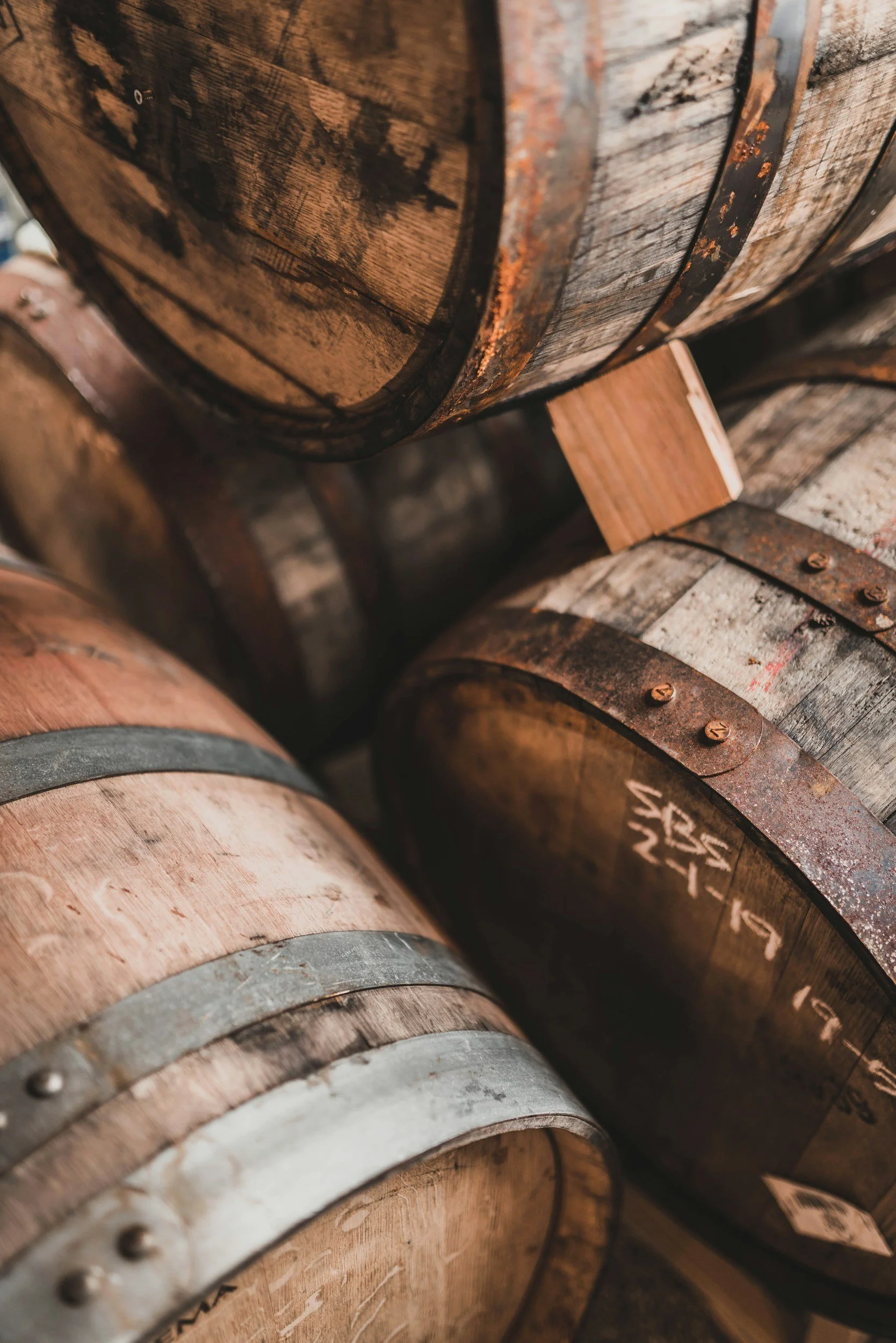
VHGP is putting Virginia heritage grains through a rigorous field-to-glass process—from lab distillation and sensory analysis to full test barrels and maturation. We’re building a distillate library so distillers can taste the grains for themselves, and partnering with 10 Virginia farmers and distillers to bring promising varieties all the way from field to bottle through the Revival Series. We’re not just preserving old grains—we’re discovering what they can become in Virginia spirits.
-
For Bakers, Chefs, and Food Makers
We're not just asking whether a heritage grain tastes good. We're figuring out what makes it useful—and where its unique character can shine.
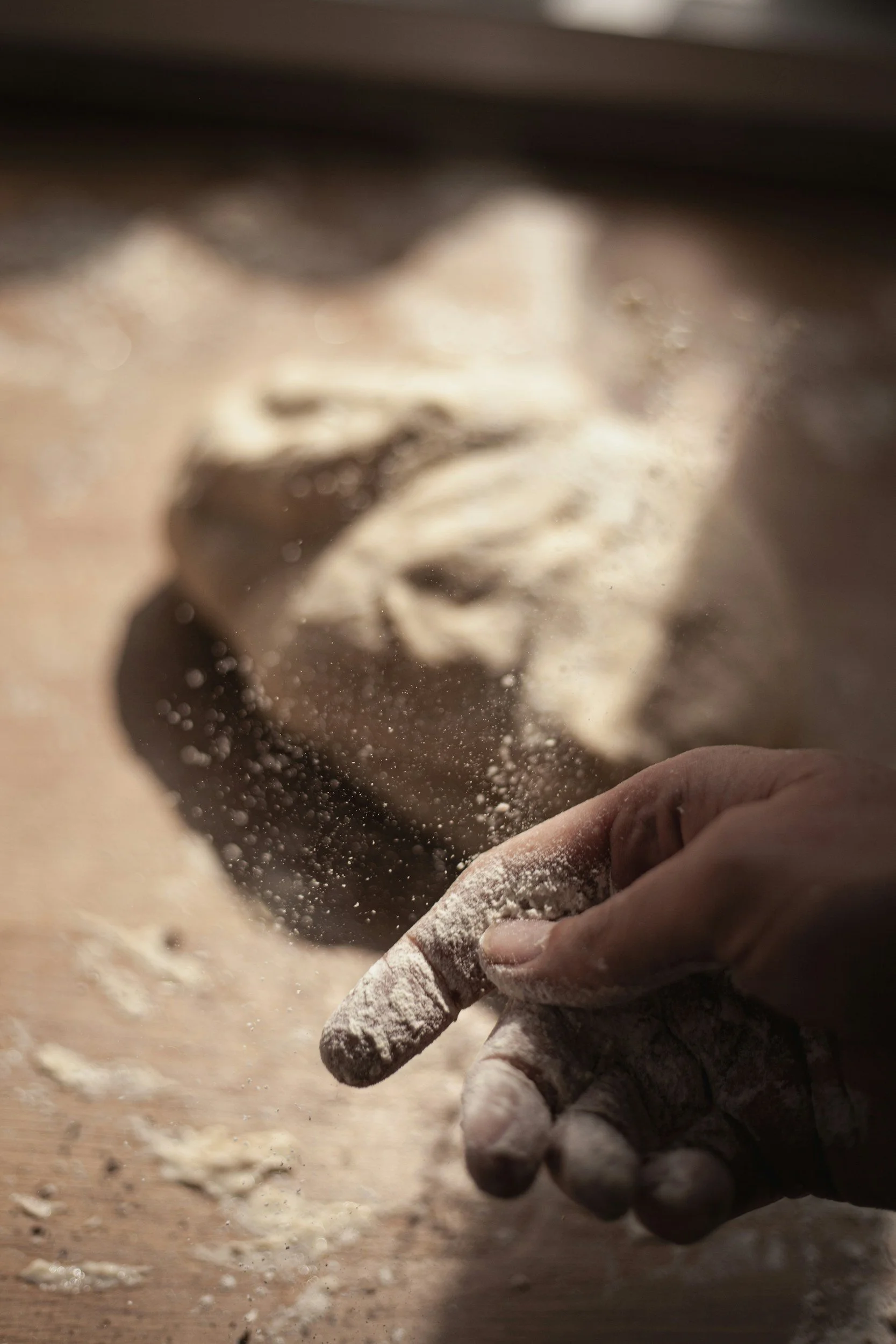
We're putting Virginia heritage grains into real kitchens and bakeries to explore their flavor, functionality, and versatility—from simple sensory tests to breads, pastries, porridges, pasta, and other applications. We're building a shared body of practical knowledge so makers can understand these grains, work with their variability, and discover where their unique character can shine.
The goal is to turn culinary experimentation into usable market knowledge—helping identify which grains have real potential, what farmers should grow, and what buyers need to confidently adopt them.

Ten farms. Ten distilleries. One barrel each.
The Virginia Heritage Grain Project helps distillers create spirits with a true sense of place by reviving distinctive Virginia-grown heritage grains. These historic varieties deliver unique flavor, authentic provenance, and a compelling local story that sets every bottle apart.
Through the Revival Series, we’re reconnecting distillers with these Virginia-grown heritage grains to create spirits with distinctive flavor, regional identity, and a story consumers can savor. At the heart of the series is a simple partnership: one heritage grain + one Virginia farm + one Virginia distillery = one unique barrel. Each participating farmer grows a historic grain variety, which is then harvested, distilled, and bottled in collaboration with a Virginia distillery. A unified bottle design puts the story of the grain, farmer, and distiller at the forefront.
The series is more than a collection of limited-edition spirits. It is a pilot for a new kind of regional grain market—one that connects farmers directly with end users and explores whether heritage grains can create distinctive products and viable economic opportunities for both sides of the partnership.
The Revival Series will also help preserve and share the stories behind these grains and the people bringing them back into production. Ultimately, this is an experiment in what becomes possible when forgotten grains are given a new life in Virginia’s modern agricultural and craft spirits economy.
Building a Distilling Knowledge Base for Virginia Heritage Grains
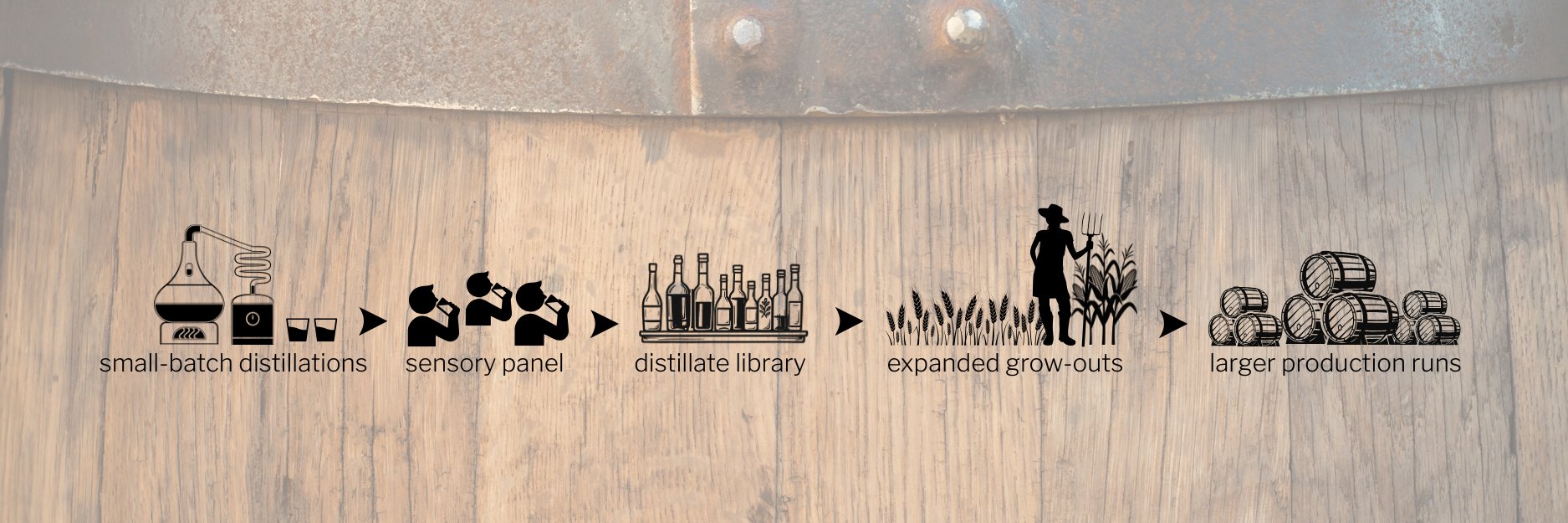
The Virginia Heritage Grain Project is developing field-to-glass research to understand how Virginia heritage grains translate into spirits. The work moves through several connected stages:
Small-batch research distillation
Selected grains are distilled in controlled, small-batch trials through the in-house laboratory at Reservoir Distillery and the lab at the James B. Beam Institute at the University of Kentucky. This enables researchers to compare varieties and identify differences in fermentation and distillation performance before committing to larger production runs.
A distillate library for the industry
Samples from the research program are being preserved in a distillate library, giving Virginia distillers an opportunity to experience and evaluate heritage-grain distillates themselves. Rather than simply telling the industry what the research found, VHGP is creating a resource that allows distillers to ask their own questions and identify grains that might fit their own products.
Sensory evaluation
Distillates are evaluated by a sensory panel to document aroma, flavor, mouthfeel, finish, and other characteristics. This creates a shared vocabulary for understanding what makes one heritage grain different from another.
Peer learning through maturation
The test barrels also become a long-term learning opportunity. As they mature, participating distillers can compare how different heritage-grain spirits evolve over time, building a shared understanding of the maturation curve and capturing knowledge that can inform future production.
Full-scale test barrels
Promising varieties move from the laboratory into full distillation runs, producing test barrels that allow VHGP and its partners to explore how those grain characteristics develop in a real production environment.
The Revival Series
The culmination of this work is the Revival Series: 10 farmer–distiller partnerships, each bringing a Virginia heritage grain from field to bottle. These collaborations turn the research into real-world products while creating a model for what heritage-grain spirits could look like beyond the project itself.
-
![]()
Cocke's Prolific Corn
Farming Partner: S.L. Hess & Sons
Distillery Partner: Reservoir Distillery
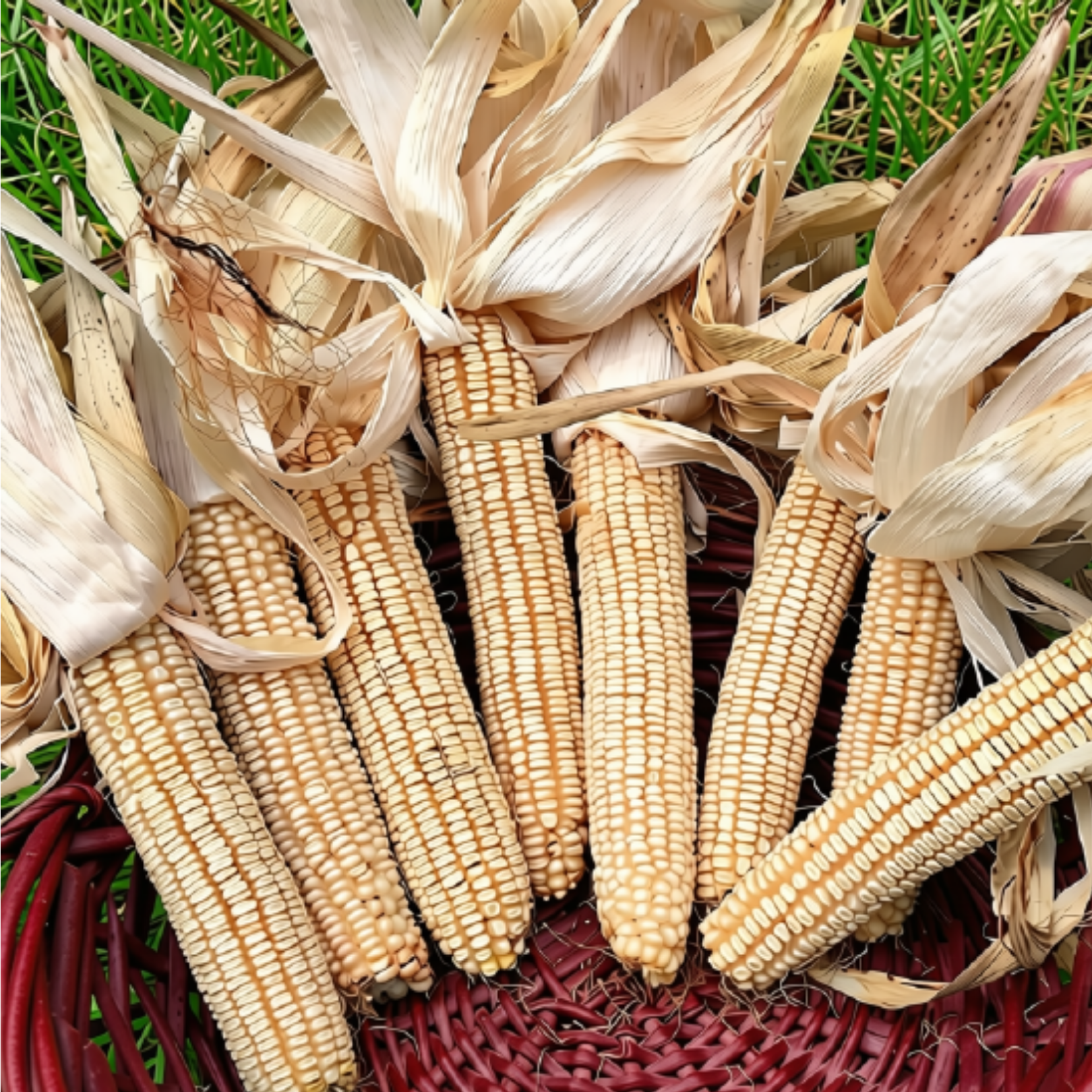
Grain History: Developed n Fluvanna County, VA, in the 1820s by crossing White Gourdseed—a soft, multi-rowed dent variety heavily cultivated by indigenous peoples of the American South—with a hardy, traditional European-colonial white flint corn.
Originally known as “Virginia Field Corn,” Cocke’s Prolific became an important Southern field corn and was grown at Monticello by Thomas Jefferson. Thought to have disappeared after the rise of modern hybrid corn, the variety was rediscovered on a South Carolina farm in 2017.
Plant Traits: A vigorous, highly prolific white dent corn known for producing multiple ears per stalk. Plants can reach substantial height, with long ears containing 10–14 rows of dense, whitish-gray kernels. The variety is noted for resilience across dual climate extremes, standing sturdy during early waterlogged soils as well as late-summer droughts.
-
![]()
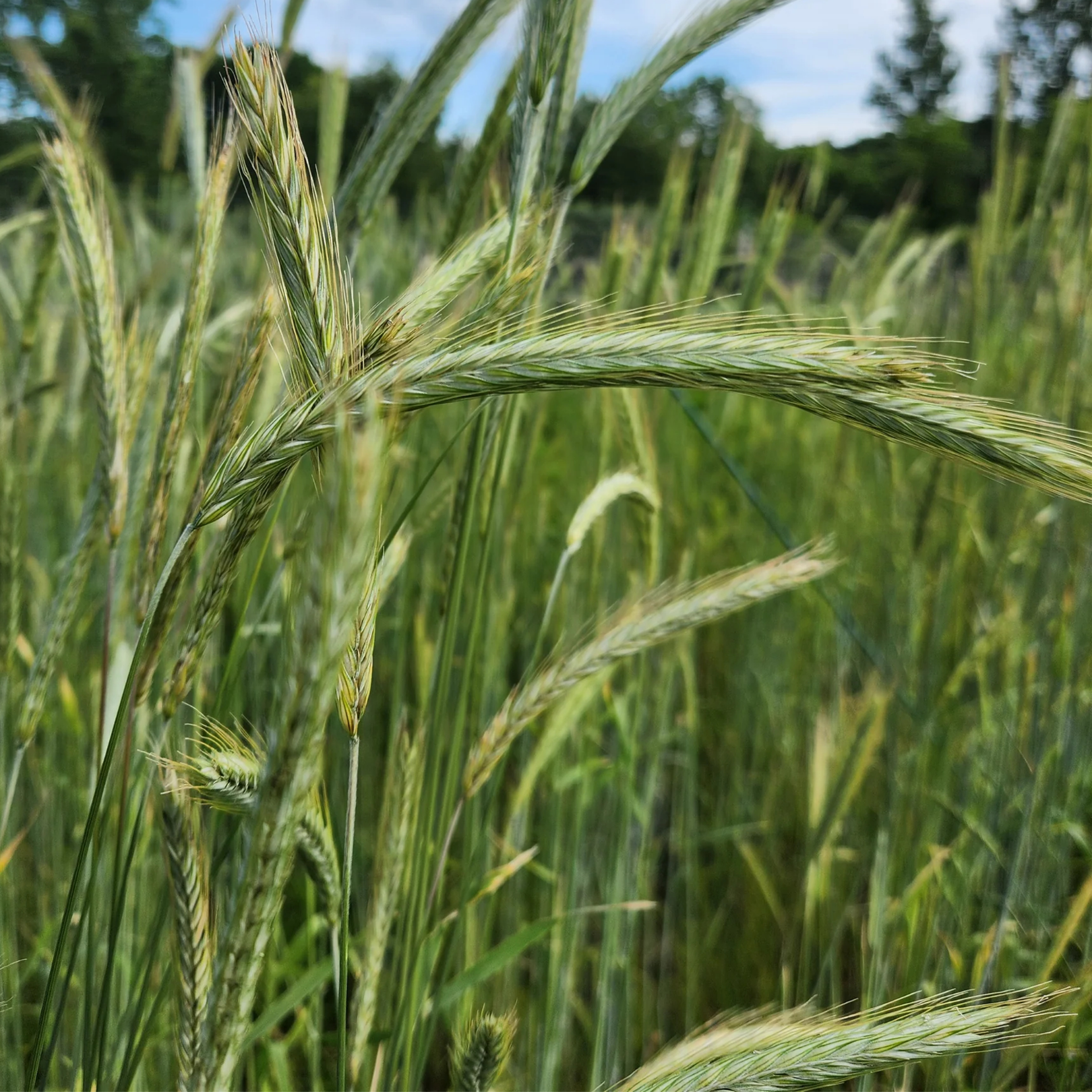
Rosen Rye
Farming Partner: xyz
Distillery Partner: xyz
Grain History: Rosen Rye traces its history to a Joseph A. Rosen—a Russian student protestor who fled to America and had his father mail him of 2,000 rye kernels. Plant breeder Dr. Frank Spragg of Michigan Agricultural College cultivated the sample, naming it "Rosen Rye". Known as the darling of pre-and-post-Prohibition distillers, it was prized by American rye whiskey producers and celebrated for a deeply complex, luxurious profile.
During agricultural industrialization, cross-contamination with local ryes diluted its unique traits within just seven planting seasons, and production completely collapsed by 1970 due to shifting commercial markets for corn and soybeans. Saved by the USDA seed bank, artisanal distilleries and university innovators began painstakingly multiplying seeds in 2015 to resurrect the grain.
Plant Traits: A hardy winter rye with large, distinctive bluish-green kernels. True to its Russian roots, the plant is remarkably hardy. It thrives effortlessly in poor, rocky, sandy, or heavy clay soils where wheat or corn fail, requiring virtually no fertilizers. Its historic reputation among rye whiskey producers was tied to a distinctive, complex flavor profile with baking spice, dark fruit, and vanilla notes.
-
![]()
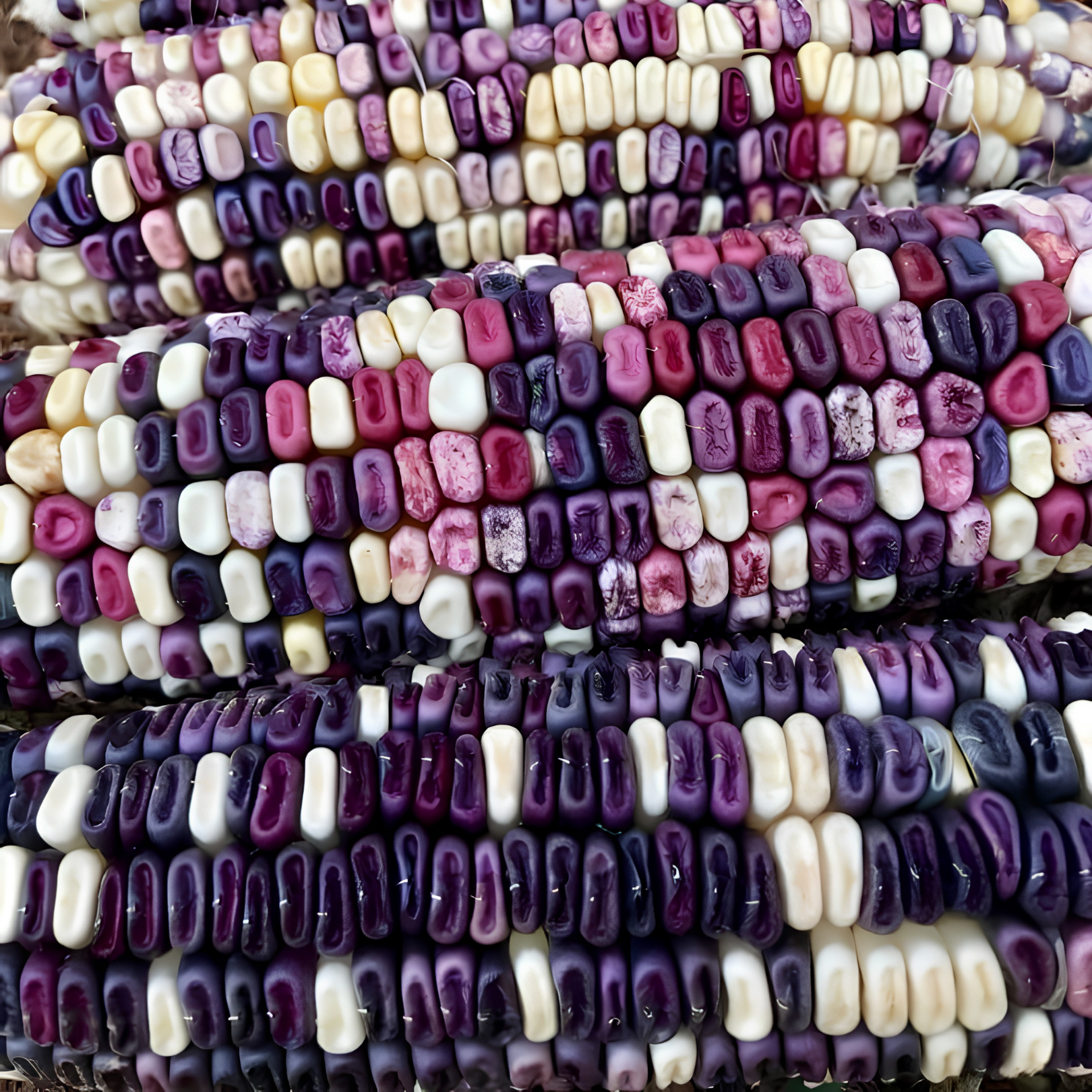
Cherokee White Eagle Corn
Farming Partner: Piedmont Grain & Cattle
Distillery Partner: Belmont Farm Distillery & Brewery
Grain History: A culturally significant heirloom corn traditionally cultivated and stewarded by the Cherokee people. Grown in the Three Sisters agricultural system, this variety is believed to have been carried by Cherokee families during the 1839 forced removal, the Trail of Tears. Today, Cherokee White Eagle is preserved through the Cherokee Nation’s heirloom seed stewardship efforts.
European settlers and early southern farmers heavily adopted Indigenous southern dent and white corn types like this for reliable flour and meal production.
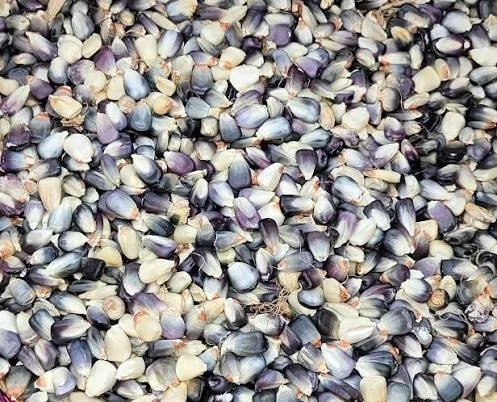
Plant Traits: A tall, vigorous dent corn reaching 8–10 feet, typically producing two ears per stalk. Its 6–8-inch ears contain distinctive mottled kernels in ivory-white and deep violet-blue, with a characteristic dent at the crown as the kernels mature.
-
![]()
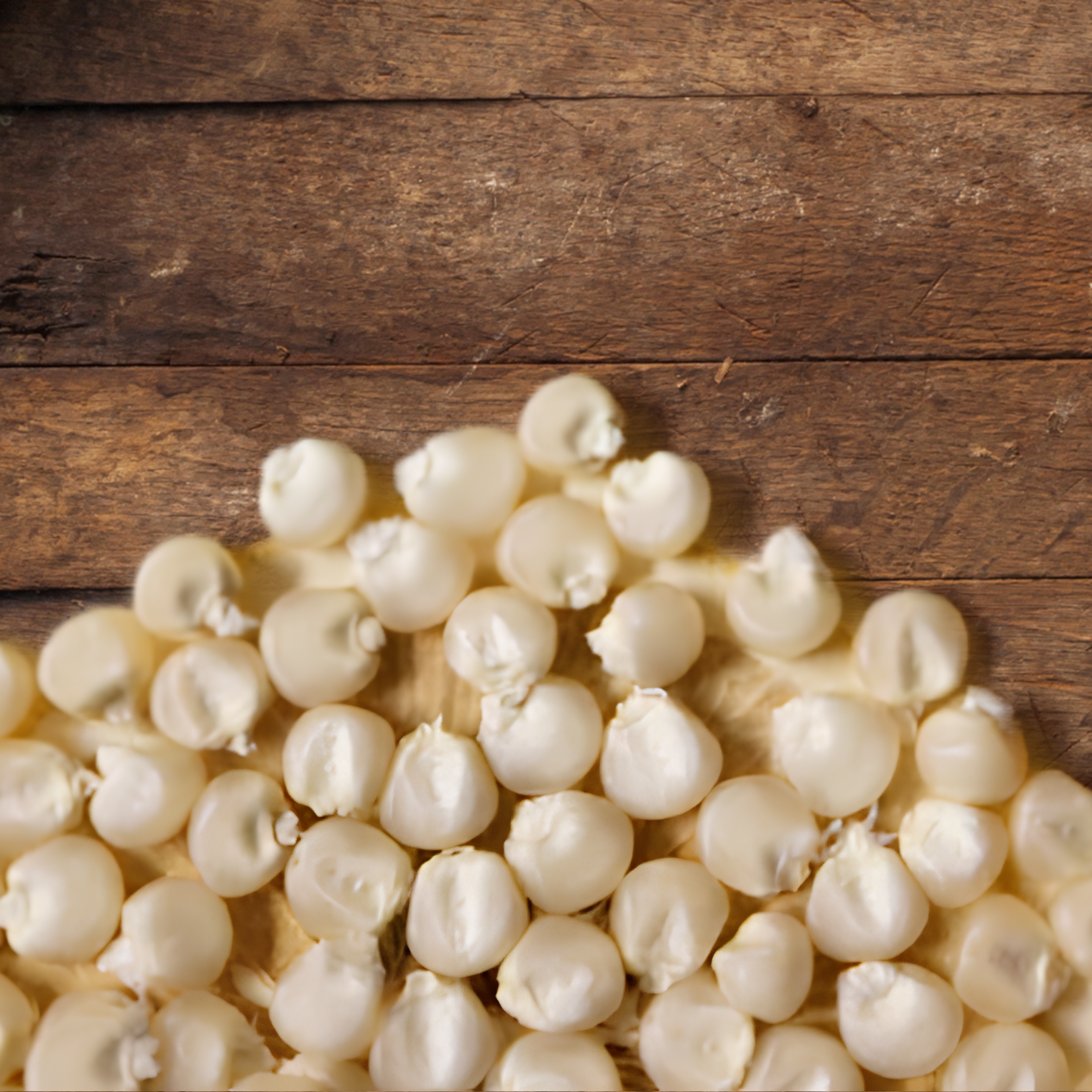
Sea Island White Corn
Farming Partner: Fairview Cattle & Grain
Distillery Partner: Ironclad Distillery
Grain History: Grown for more than 300 years by Indigenous peoples, including Siouan and Muskogee peoples, across the coastal Carolinas, Georgia, and Florida. The variety was later adopted into Gullah-Geechee foodways and became part of the region's agricultural history during the colonial era and beyond.
Plant Traits: Tall stalks producing one to two ears per plant, with hard, flint-like kernels containing dense, snowy-white starch. Known for high nutrient density and resistance to insects.
-
![]()
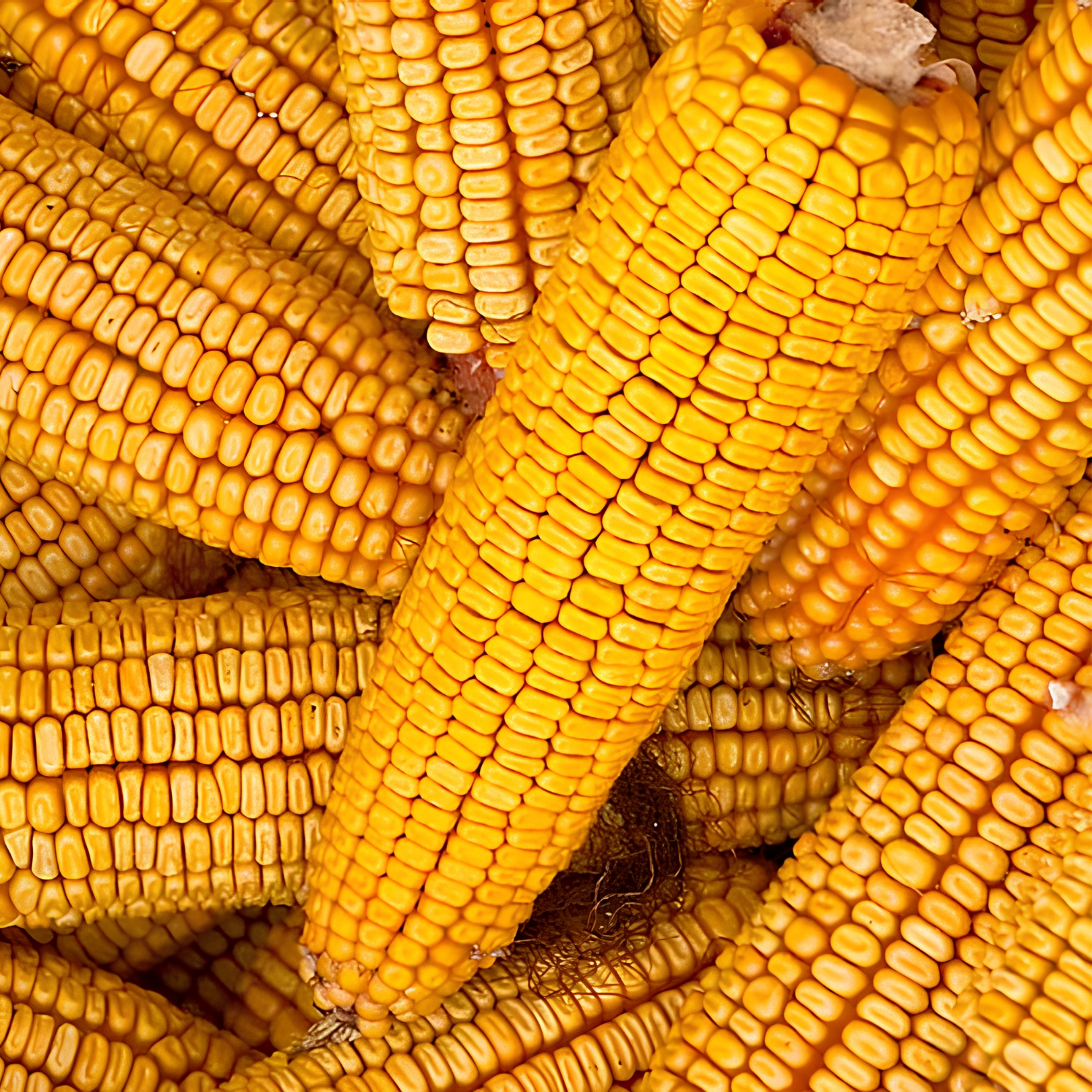
Reid's Yellow Dent Corn
Farming Partner: Oliver Farms
Distillery Partner: Mean Spirits Distillery
Grain History: Reid’s Yellow Dent emerged in Illinois in the 1840s from an accidental cross between a late-maturing southern dent corn and an early northern flint corn. Its southern parent, Gordon Hopkins, is reported to trace back to the eighteenth century, when it was bred from Cherokee seed stock by Virginia settlers.
As a classic dent variety, the hallmark “indentation” on the crown of each kernel results from the soft interior starch shrinking as the grain dries. This high-starch composition makes the grain well suited to milling, cooking, and conversion into fermentable sugars for distilling. It produces a bold, traditional, “bourbon-forward” spirit, with classic notes of toasted field corn, sweet cream, vanilla, and a distinctly smooth, earthy complexity.
Plant Traits: A vigorous yellow dent corn producing large ears densely packed with deep golden-yellow kernels. The variety is known for strong productivity, adaptability, and a relatively broad range of growing conditions, with maturity typically reached in 85–110 days.
-
![]()
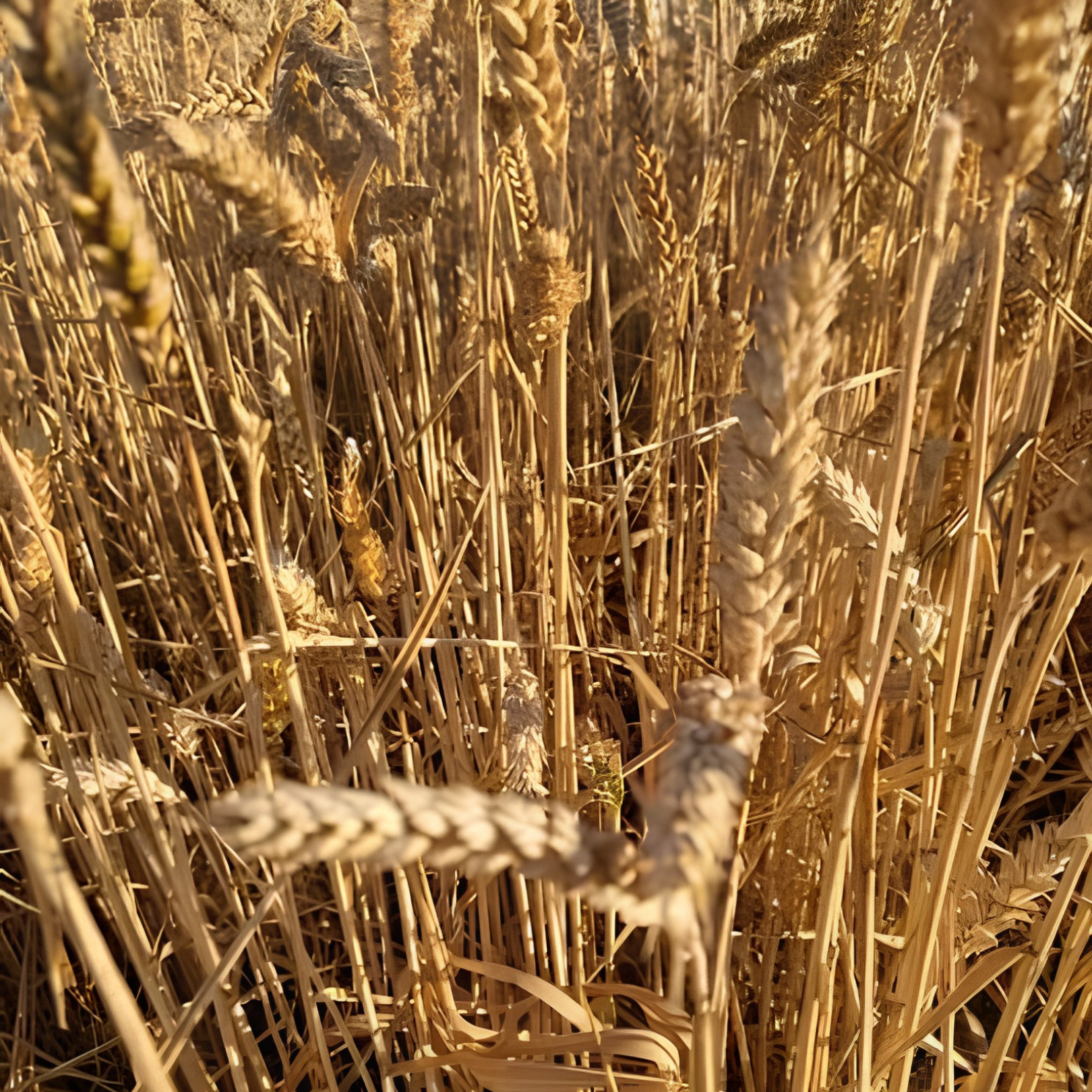
Red May Wheat
Farming Partner: The Glebe Farm
Distillery Partner: Catoctin Creek Distillery
Grain History: Red May Wheat is a legendary heirloom soft red winter wheat and Colonial America's very first farmer-selected production wheat variety. Originally brought over by English colonists in the 17th century and refined in Virginia by a post-Revolutionary wheat farmer, it became the foundational grain that dominated the agricultural economy of the American South throughout the 1800s.
Highly prized by historic and modern craft distillers as a specialized distiller’s grist, it is frequently used in heritage wheated bourbons or historic style wheat whiskeys.
Plant Traits: Features tall, stately, and exceptionally beautiful stalks. It produces a distinctly reddish hue across the fields as it hits its soft dough stage and boasts a unique "awn-tail" (a tiny whisker) right at the very tip of the seedhead. Renowned for its robust, reliable nature, it is better adapted than most modern wheats to yield reliably in poorer, less fertile colonial soils, though it requires careful management in overly rich soils to prevent lodging.
-
![]()
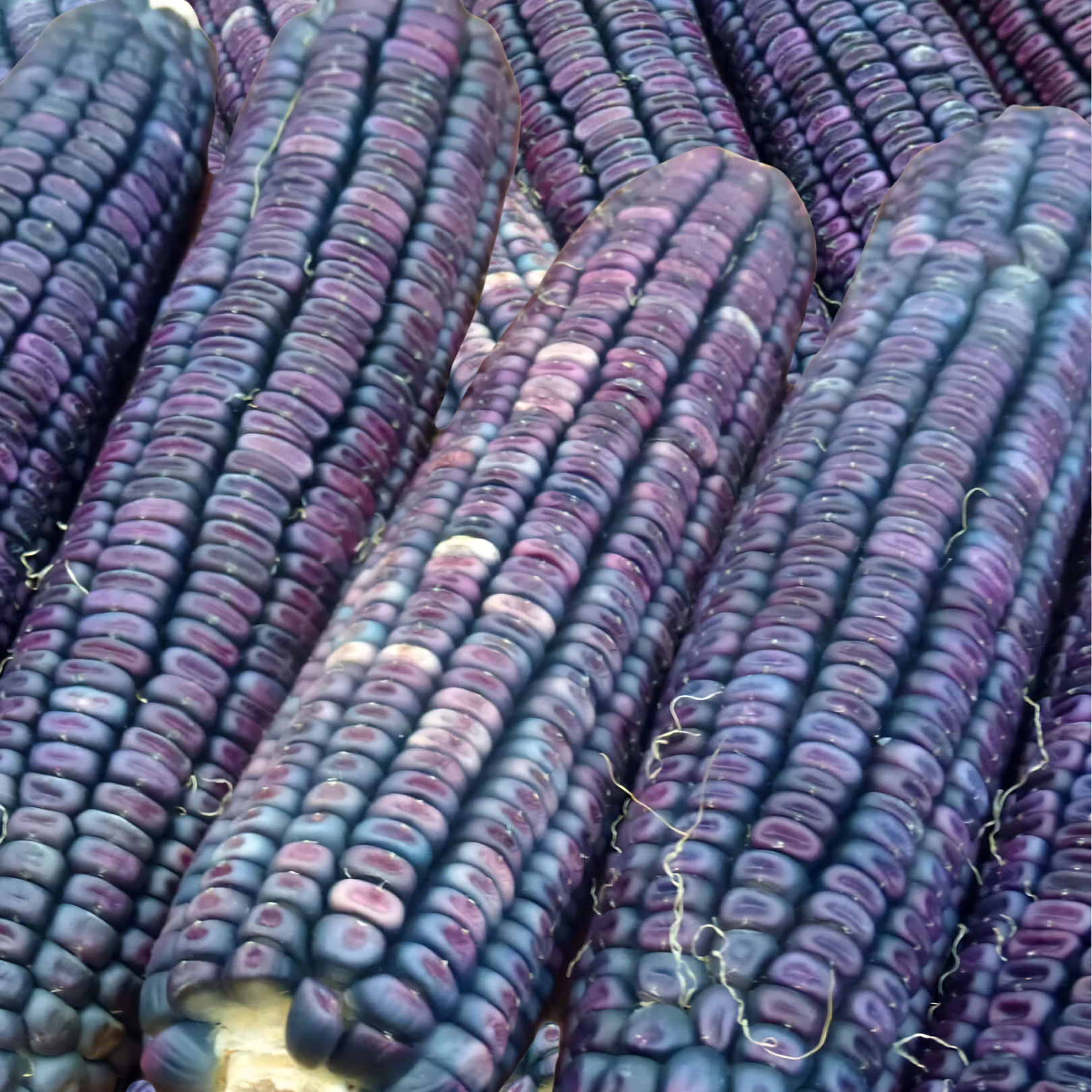
Ohio Blue Clarage Corn
Farming Partner: xyz
Distillery Partner: MurLarky Distilled Spirits
Grain History: Ohio Blue Clarage is a historic blue semi-dent corn that emerged in the upper Ohio River Valley during the early 19th century. Developed by regional farmers between roughly 1830 and 1850, it became valued across Ohio, West Virginia, and Kentucky as a reliable “sure corn,” particularly for its ability to perform in the heavy clay soils common throughout the region. A blue-colored strain of the Clarage family, this highly uniform landrace strain was derived by crossing traditional local varieties, likely incorporating ancestral Indigenous blue corns cultivated in the Ohio River basin.
Used extensively for frontier whiskey and moonshine production across the Ohio Valley in the 1800s when local exchange economies relied on regional heirloom grains, Ohio Blue Clarage was valued for its relatively high natural sugar content and distinctive flavor. When harvested young, it could be eaten as a sweet table corn; when fully mature, it could be stone-ground into sweet, blue-speckled cornmeal and grits. In distilling, it yields a softer, flowery, and highly fermentable distiller's grist. High concentrations of natural anthocyanins give it a unique chemistry that yields earthy, nutty, and almond-like spirit flavors paired with a noticeably oily, rich mouthfeel.
Plant Traits: A tall, vigorous semi-dent corn reaching 7–10 feet and typically producing two 8–10-inch ears per stalk. The ears are tightly packed with uniform kernels ranging from deep blue to purple. Known for strong stalks, resistance to lodging, and reliable performance in challenging soils, the variety reaches grain maturity in approximately 100 days.
-
![]()
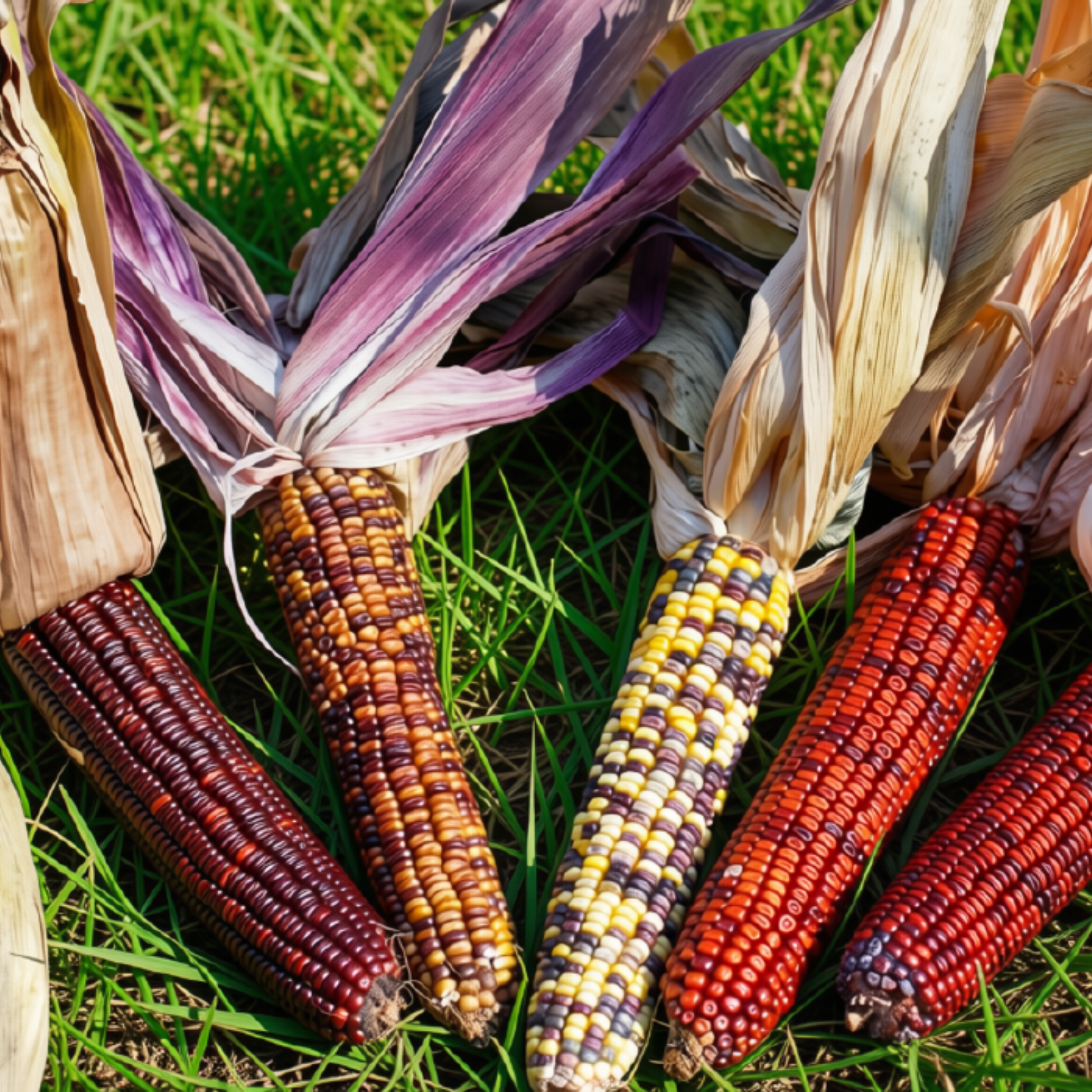
Pungo Creek Corn
Farming Partner: Buena Vista Farm
Distillery Partner: Caiseal Beer & Spirits
Grain History: Pungo Creek Corn, also known as Pungo Creek Butcher, is a striking multicolored heirloom dent corn preserved for generations by farming families along Pungo Creek on Virginia’s Eastern Shore. The variety is closely related to Bloody Butcher, the distinctive red dent corn documented in Virginia by the 1840s, and is thought to represent a highly diversified descendant of that lineage. Over more than 165 years, farmers in the isolated coastal community selected and maintained the grain under local growing conditions, helping preserve a distinctive population shaped by the region's maritime climate.
Like many Southern field corns, its history reflects a long continuum of agricultural knowledge and adaptation. Maize itself has deep Indigenous agricultural roots, while varieties such as Bloody Butcher emerged through the interaction of Indigenous crop diversity, settler agriculture, and generations of farmer selection. Pungo Creek represents another chapter in that history: a regional landrace maintained not by a formal breeding program, but by farmers saving and replanting seed adapted to their particular place.
In distilling, Pungo Creek is reported to produce earthy, spicy, and dark-fruit characteristics, with a rich mouthfeel. Its deep pigmentation reflects naturally occurring anthocyanins, which may contribute to differences in grain chemistry and flavor. VHGP's own distilling and sensory evaluation will help determine which of these reported characteristics translate into the finished spirit.
Plant Traits: Pungo Creek produces exceptionally sturdy plants that can reach approximately 11 feet tall, with long, heavy ears measuring 9–12 inches. The ears are tightly wrapped in protective husks and display a remarkable range of colors—from deep blood-red and chocolate brown to yellow and purple—sometimes appearing together on the same ear. The variety is noted for strong stalks and substantial root systems that contribute to resistance to lodging and challenging coastal weather. It reaches full grain maturity in approximately 100 days.
-
![]()
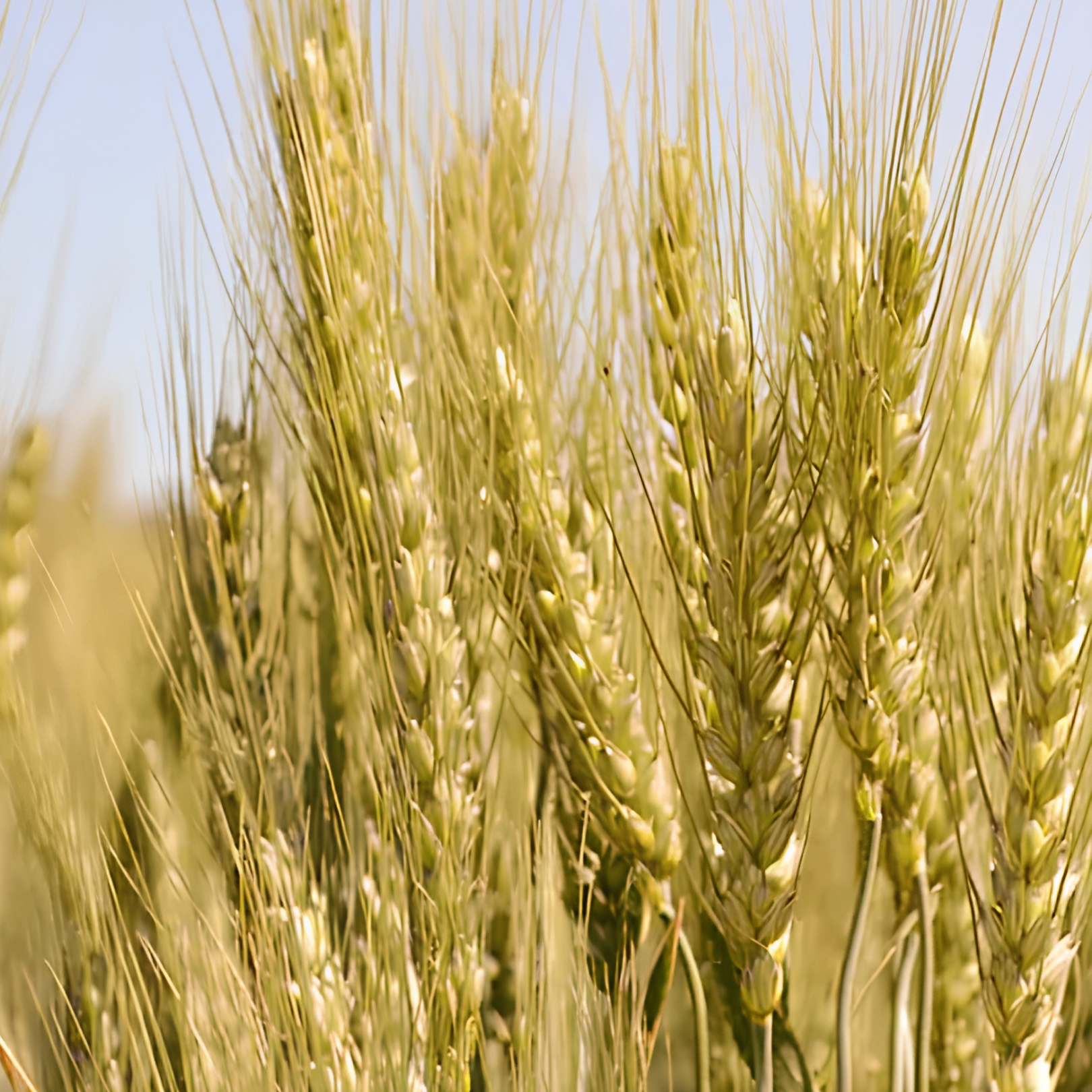
Red Fife Wheat
Farming Partner: xyz
Distillery Partner: xyz
Grain History: Red Fife is a legendary landrace wheat that originated in the Austrian province of Galicia, and arrived in North America in 1842 when a small sample was sent to Scottish immigrant farmer David Fife in Ontario. Most of the original planting failed, but a single surviving plant produced the seed that Fife and his family carefully saved and multiplied. From that remarkably small beginning, Red Fife spread throughout North American agriculture and became one of the most important bread wheats of the 19th century.
As Red Fife spread, farmers selected and adapted it to local growing conditions, including Indigenous and Métis farmers in the Red River Valley. Its hard red kernels, strong gluten, and reliable performance made it particularly valuable to millers and bakers and helped establish the characteristics of the hard wheats that would dominate North American bread production. The variety was eventually displaced by modern wheat breeding and industrial varieties and came close to disappearing before being preserved and revived by seed stewards, millers, and artisan bakers.
For the Mid-Atlantic, Red Fife offers an opportunity to revisit an important chapter in the history of regional wheat and flour. Its flavor is often described as rich and distinctive, with notes of toasted grain, honey, and baking spice. It can also be used in distilling, where its robust wheat character can contribute bready, full-bodied flavors to wheat spirits.
Plant Traits: A tall heritage wheat typically reaching 4–5 feet, with long, slightly curved, awnless seedheads that develop a reddish-golden color as they mature. Originally selected as a spring wheat, Red Fife has also been grown successfully as a winter wheat in regions with suitable winter conditions. Its height and vigorous growth can provide strong competition with weeds, while its long history as a landrace reflects generations of adaptation to diverse growing environments.
Why Virginia?
Virginia sits at the intersection of centuries of agricultural history and a remarkably diverse modern grain economy.
The varieties VHGP is exploring reflect the many agricultural traditions that have shaped this region, while today's farmers, researchers, distillers, bakers, and chefs are helping us imagine what those grains might become next.

Many distillers also recognize Virginia as the birthplace of American spirits—a distinction that connects today’s industry to a long history of place, craft, and tradition. Yet somewhere along the evolution of modern spirits production, efficiency began to take precedence over flavor. And while yield and consistency are essential considerations for any producer, there is little value in making more of a product that fails to capture attention or distinguish itself on the shelf.
The Virginia Heritage Grain Project began with an idea from Virginia distiller Shelley Sackier: what if some of the forgotten grains once grown in this region could offer flavors worth rediscovering?
With support from the Virginia Spirits Board Research and Education Grant Program, the Virginia Heritage Grain Project set out to explore that question—researching historic grain varieties, tracking down surviving seed, growing them in Virginia fields, and evaluating their potential in spirits.
Are the forgotten flavors of history waiting to be rediscovered? And, if we unearth them, are they worthy of being brought back to life? The Revival Series is one answer to that question: a first opportunity to bring these grains, the farmers who grow them, and the distillers who transform them together in a new generation of Virginia spirits.
Join The heritage grain Revival
Whether you are a farmer interested in growing heritage varieties, a distiller exploring unique grain opportunities, a food maker looking for new ingredients, or someone who believes in preserving agricultural diversity, VHGP is building a community around the future of Virginia grains.
-
What we're looking for:
Virginia Farmers (and neighboring states) with acreage for grain and/or small plots available for trials
Ability to plant, manage, harvest, and deliver grain in good faith
Curiosity about heritage/heirloom grain varieties and openness to experimentation and sustainable crop rotation
Commitment to reporting on field notes and production information in any practical format
What you'll gain:
Compensation based on program tier
Free planting stock for rare heritage varieties
Collaboration with Virginia Tech agronomists and researchers
Market-differentiated, climate-resilient crops that sets your operation apart
A shot at pairing with a distillery for the Revival Series bottle collection
Possible connections with chefs and culinary partners also exploring these varieties, beyond the still
Interested growers should submit THIS FORM to connect with our Field & Farm Lead.
-
Culinary Collaborators Wanted: Explore Heritage Grain Flavor Beyond the Barrel
VHGP isn't just uncovering forgotten flavors for spirits — we're cross-pollinating ideas across industries to ask what these grains can do on the table, too.
We're inviting millers, bakers, maltsters, and chefs to put these grains to work– exploring the milling quality, baking performance, malting characteristics, and flavor profiles of heritage grain varieties currently under cultivation and study. Your expertise will help us spot high-potential concepts and understand the full value of these grains — not just as distillate, but as ingredients worth building a menu, a bakery case, or a grain bill around.
What we're looking for:
Millers interested in test-milling heritage grain varieties
Bakers willing to trial heritage flour in small-batch recipes
Maltsters curious about malting characteristics of heritage grains
Chefs interested in incorporating heritage grains into culinary applications
What you'll gain:
Early access to rare heritage grain varieties
A voice in shaping how these grains are evaluated and promoted
Recognition as a named project partner, with visibility across our industry network
The opportunity to be part of a growing movement connecting agriculture, culinary arts, and craft spirits
Interested culinary partners should submit THIS FORM to connect with our Farm & Field Lead.
-
(info coming soon)
Shelley Sackier, Director of Distillery Education at Reservoir Distillery in Richmond, VA, shares her inspiration for the Virginia Heritage Grain Project.