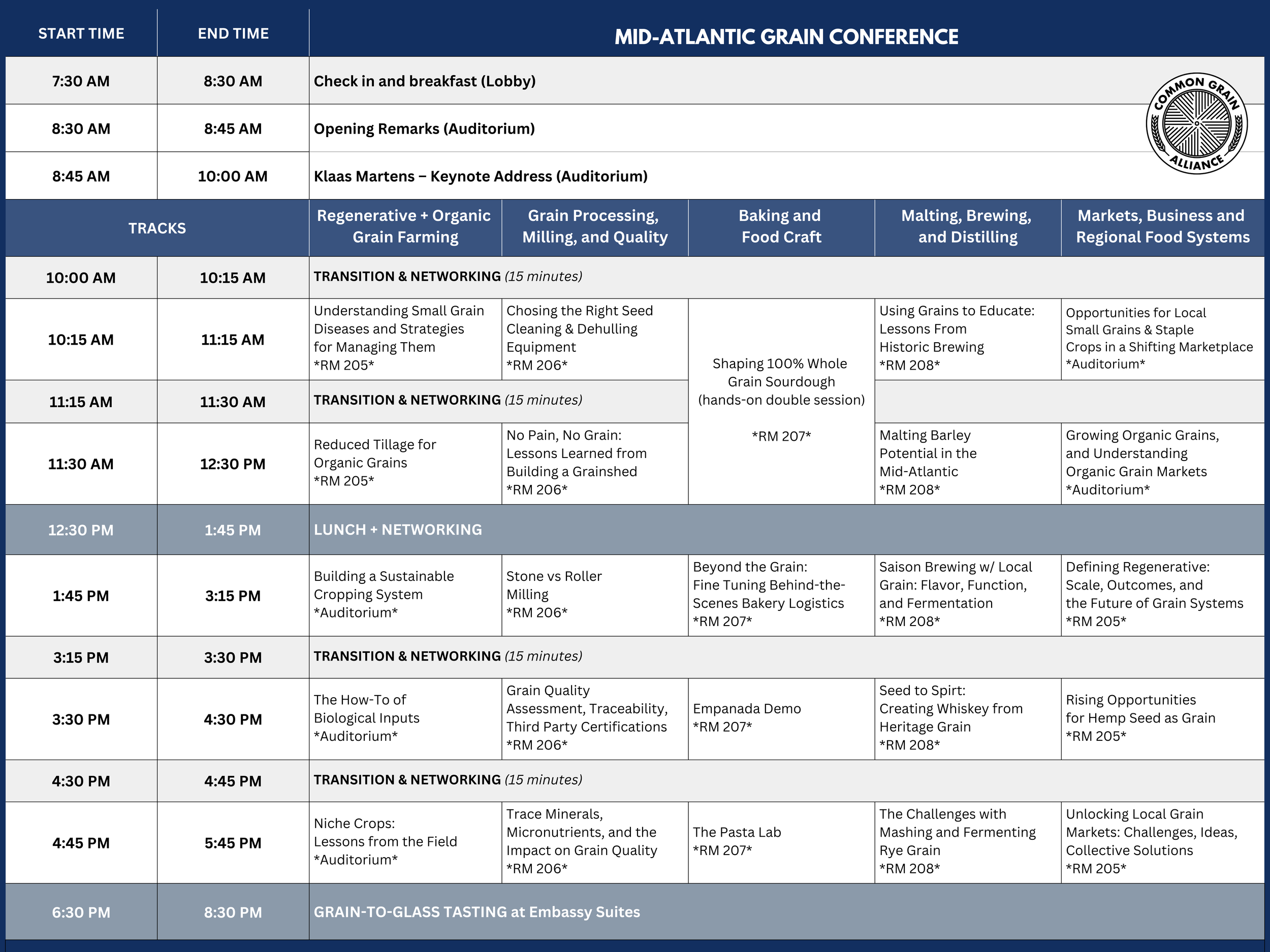
Mid-atlantic grain confernce
March 16, 2026
Keynote speaker: Klaas Martens
Klaas Martens is a pioneering organic grain farmer and educator based in New York’s Finger Lakes region. Along with Mary-Howell Martens, he operates Lakeview Organic Grain (Seneca Grain & Bean), one of the longest-running organic grain farms in the Northeast. With decades of experience developing biologically balanced cropping systems, Klaas is widely respected for his deep knowledge of crop rotation, soil health, weed ecology, and organic grain production.
In his keynote address, Klaas will draw on a lifetime of farming experience to discuss his process for “asking the right questions” to get to the root of a challenge, and how to transform that framing into informative research. These insights on problem solving can aid the entire grain value chain, from farmers to millers, bakers, brewers, maltsters, and distillers.
TRACKS & SESSIONS
-
Speaker: Alyssa Collins
The greatest challenge to producing abundant, high-quality locally grown small grains in the Mid-Atlantic is the prevalence of crop diseases. This session will cover the most common and impactful diseases affecting small grains in the region, how to identify them in the field, and what growers need to know to manage these yield- and quality-robbing threats.
The session will encourage discussion among farmers, buyers, millers, and maltsters to better understand quality requirements along the grain value chain and how different diseases affect end uses. By fostering shared understanding, the session aims to support stronger collaboration and improved outcomes for regional grain production.
-
Speaker: Abbe Hamilton
Reducing tillage in organic systems can save labor and energy and improve beneficial insect habitat, but it may also reduce yields and weed control. In this session, participants will learn what happened when Penn State researchers compared three reduced tillage strategies within a corn–soy–wheat rotation: relay cover cropping with no pre-plant tillage, shallow tillage using a high-speed compact disk, and a rotational no-till soybean phase.
The treatments differed in tillage intensity, insect and weed pressure, crop yields, and net income, highlighting important tradeoffs. The results offer practical insights for organic grain farmers interested in reducing tillage while balancing productivity and profitability.
-
Speakers: Klaas & Mary-Howell Martens
Every crop should be planted after its most suitable predecessor so that competition is checked by the vigor of the crop. Each plant species alters soil conditions, and traditional cropping systems that have stood the test of time use this principle to give crops an advantage over weeds.
When weeds, pests, or diseases cause losses, it often indicates a biologically unbalanced system that allows problem species to dominate. In contrast, biologically balanced and diverse cropping systems support healthier crops, improved flavor, and greater resilience to environmental stress. Weed problems frequently signal a lack of diversity within the system.
This session will share examples of major weed challenges that were successfully controlled by adding new crops and increasing rotational diversity, demonstrating how thoughtful crop sequencing can restore balance and reduce pressure from weeds and pests.
-
Speaker: Matthew Drane
Biological inputs are becoming part of mainstream conversations around soil health, nutrient efficiency, and long-term resilience, yet results remain inconsistent for many growers. The issue is rarely what biologicals are, but how they are used.
This session will explore how environmental conditions—such as soil oxygen, moisture, temperature, organic matter, and existing microbial communities—determine whether biological products succeed or fail. Attendees will learn why the same product may work well in one field and not another, and how to evaluate field conditions before application.
A key focus will be integration rather than replacement. Biologicals work best when combined with sound fertility, good soil structure, and responsible chemistry use. Practical guidance will cover compatibility, timing, placement, and common mistakes, helping farmers implement biologicals in ways that improve performance rather than waste dollars.
-
This panel brings together three experienced farmers to share their insights on growing and marketing niche crops. Panelists will discuss the challenges and rewards of integrating specialty crops into their operations, from planting and managing the crop to finding markets and building customer relationships. Attendees will gain practical knowledge about crop selection, rotation strategies, soil and fertility management, and approaches to marketing and sales that make niche crops viable. The session will include an open Q&A, giving participants the opportunity to ask questions specific to their farm or business.
Panelists include:
Jason Myers-Benner, homestead-scale farmer and edible pea breeder from Virginia’s Shenandoah Valley
Eric Ranck, co-owner of Charvin Organic Farm in central Pennsylvania
Jonathan Zeiset, organic grain and oilseed farmer and consultant in Millersburg, PA
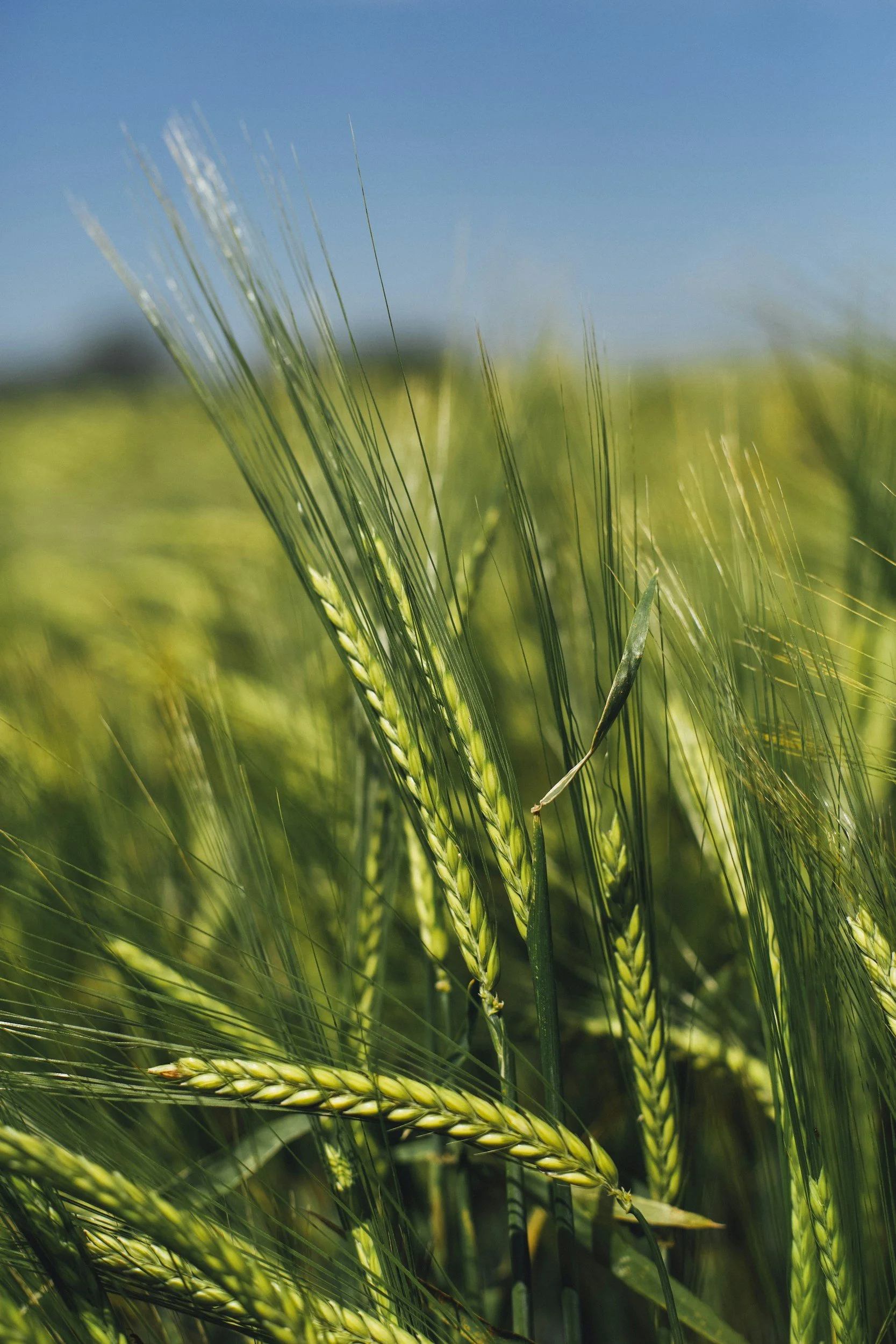
REGENERATIVE & ORGANIC GRAIN FARMING
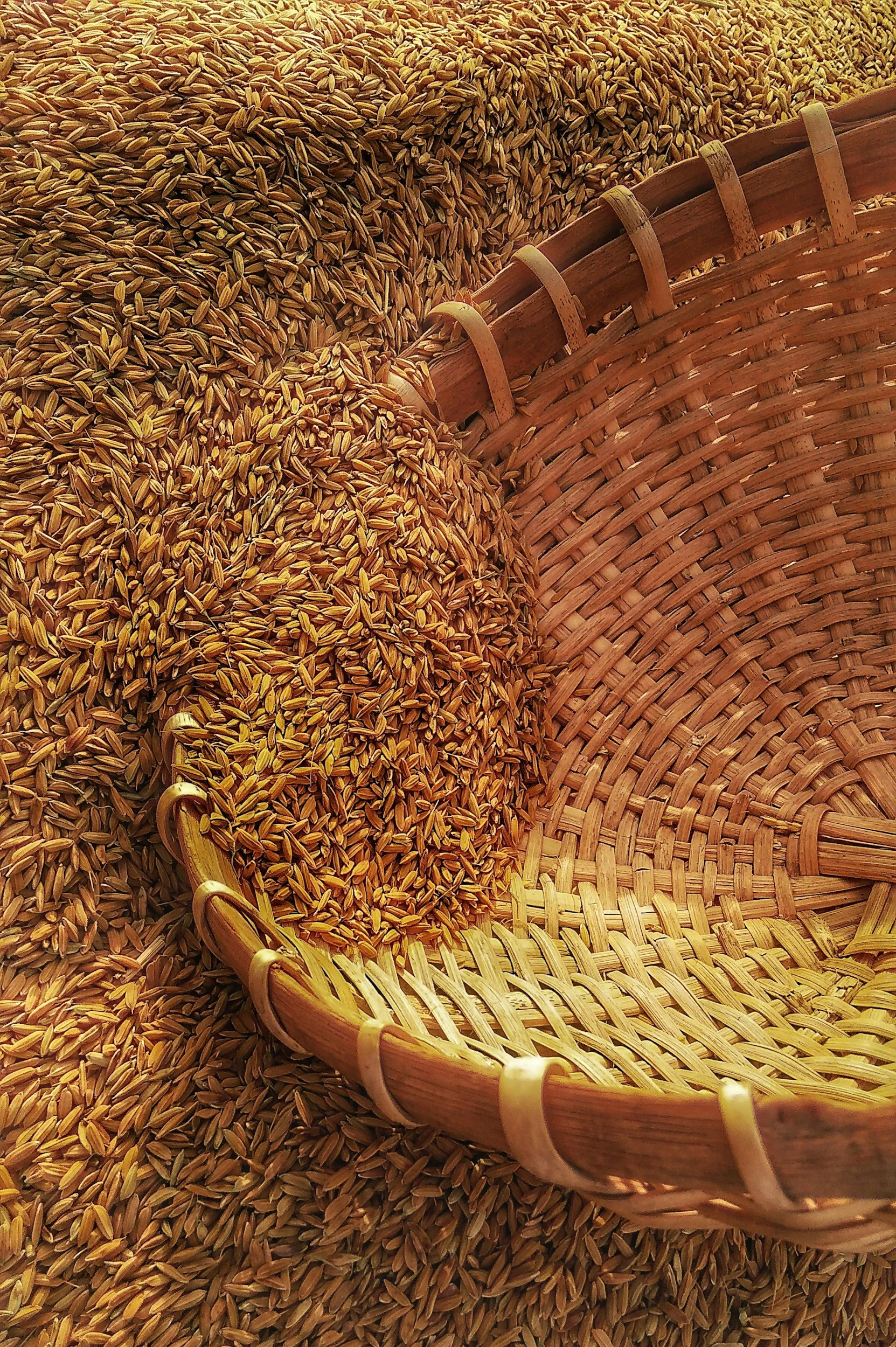
GRAIN PROCESSING, MILLING, & QUALITY
-
Speaker: Sean McGivern
Selecting the right equipment is one of the most important—and costly—decisions when building or upgrading a seed cleaning or milling operation. From pre-cleaning and gravity separation to dehulling, flour milling, and feed processing, each step requires machinery matched to your scale, crop type, and market goals.
In this session, Sean will walk through the major categories of equipment used in seed cleaning, flour milling, and dehulling operations, explaining how different machines function, where they fit within a processing line, and what factors to consider when investing. He will also touch on feed milling considerations and common pitfalls operators encounter when expanding or retrofitting facilities.
Drawing on more than 25 years of hands-on experience in specialty grain processing, Sean will offer practical guidance for farmers, millers, and value-added grain businesses looking to build efficient, scalable systems.
-
Speakers: Len Bussanich and Larry Mahmarian
As millers, River Valley Community Grains (RVCG) will share the challenges and lessons learned in attempting to restore a local and regional grain economy in northern New Jersey. Early efforts focused on encouraging farmers to grow for local markets rather than commodity channels, but it quickly became clear that grain infrastructure—cleaning, storage, and milling—was a critical missing link.
RVCG began by borrowing small-scale cleaning equipment and milling limited quantities of grain in a commercial kitchen with tabletop mills. After four years, operations moved to a dedicated space, Marksboro Mills, in April 2023. While this allowed on-site grain cleaning and expanded milling capacity, much of the work remains manual and labor intensive.
As milling demand has grown, supply challenges—including limited local yields and a lack of reliable harvesting equipment—have required sourcing grain from outside the region. This session will explore the interconnected challenges of growing, harvesting, cleaning, storing, milling, and distributing grain, and reflect on both the successes and limitations of rebuilding a regional grain economy from the ground up.
-
Mark Fischer will present an overview of the history of grain milling, from the earliest methods of smashing grain on a tree stump to modern industrial flour production. Returning to nearly two thousand years of milling on round stones, Mark will highlight key technical and production advances in stone milling, from the Romans through Oliver Evans’ major influence on American—and eventually global—milling practices.
The session then explores the rise of roller milling in the early 1900s and the shift toward large-scale industrial flour production. Mark will compare roller-milled white flour with stone-ground flour (both whole and bolted), examining differences in nutrition, flavor, and baking quality. The session concludes with a look at modern stone milling methods and manufacturers, as well as current market forces and some of the hidden quality and nutritional pitfalls of modern bread production.
-
Panel: Kelsey Meyer and Chris Dengler
Grain quality forms the foundation of successful milling and baking. This session explores how grain quality is assessed at the mill during receiving, including key indicators used to evaluate incoming grain. The discussion then expands to functional testing and how these results translate into performance in baking applications. The session will also examine traceability across the grain supply chain and the role of third-party certifications in supporting market access, managing risk, and building customer confidence. Designed for millers, bakers, and grain buyers alike, this presentation connects technical quality measures with real-world business and production outcomes.
-
Speaker: Nico Melas
Grain quality is shaped long before harvest—beginning in the soil and influenced by soil biology as well as the availability and balance of trace minerals and micronutrients throughout the growing season. This session explores the role these often-overlooked nutrients play in crop health, yield stability, and the functional qualities of grain important to millers, maltsters, bakers, and brewers.
Drawing connections between soil management, plant nutrition, and end-use performance, Nico will examine how trace mineral and micronutrient are key for complete protein synthesis, resistance to disease and insect pressures, and flavor. The discussion will also consider practical approaches to assessing and managing mineral nutrition in grain systems, with an eye toward both agronomic resilience and downstream quality outcomes.
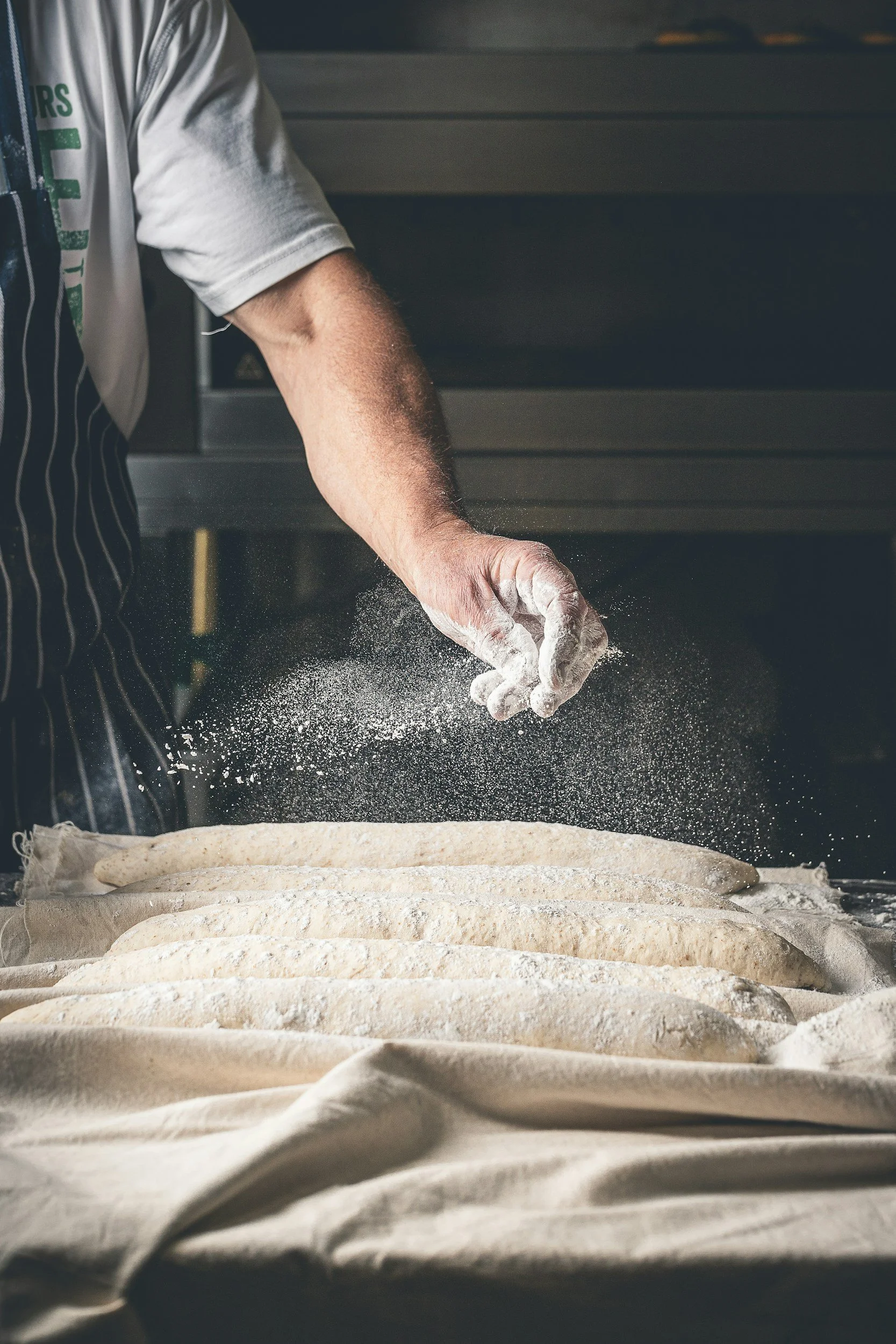
BAKING & FOOD CRAFT
-
Speakers: Kat Jiang, Ricardo Lavieri, and Jack Jones
This hands-on session will introduce participants to shaping techniques for 100% whole grain sourdough bread and pastry. The session begins with an overview of SEYLOU’s fresh-milled, whole grain flour philosophy and how using all parts of the grain—bran, endosperm, and germ—affects hydration and mixing. Presenters will also discuss high-hydration mixing techniques, including bassinage, and how to account for variables such as weather and starter strength.
Most of the session will focus on hands-on shaping, including pre-shaping, bench rest, and final shaping. Participants will work with a range of doughs, including high-hydration whole wheat, einkorn, and enriched challah, learning techniques for shaping boules, batards, and braids. The session concludes with tasting and discussion of finished breads, helping participants identify visual and textural cues for improvement.
SEYLOU BAKERY & MILL is an organic whole grain bakery and mill located in Blagden Alley, Washington DC. SEYLOU exclusively sources grains, produce, meats and dairy from over 20 farms in the mid-Atlantic region. 100% of the flours are fresh-milled on site to ensure maximum flavor and nutrition.
-
(session info coming soon)
-
Speaker: Kathryn Phelan
Logistics! All the moving pieces! The act of building and running a bakery to a healthy level of production is based on a series of decisions, based solely on the personal preferences and needs of a specific business. In this session, we will identify the main decisions to be made in addition to exploring more precise decisions in detail. Some of the questions we'll discuss are: What is your business ethos? Who is the community you're baking for? What are the restraints of your physical space, and how does that inform your daily schedule? Are you feeling trapped by your sourdough schedule, and if so, can it be altered? If you are looking to re-imagine the flow of an existing business or are curious to gain information before starting a new one, come join in on the conversation!
-
Speakers: Gina Rubinetti & Chris Wright
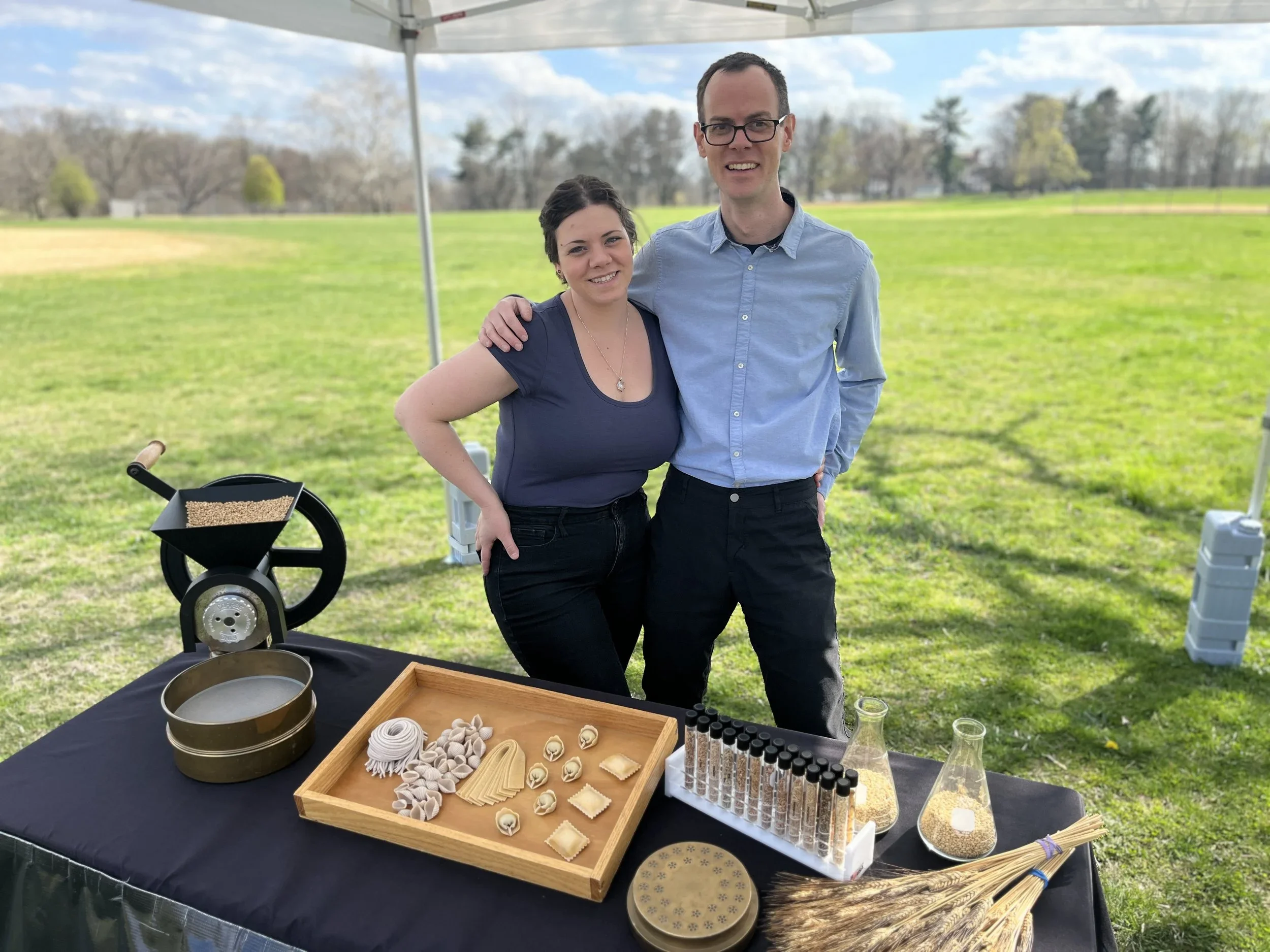
Not all flour is created equal. Our session will cover the unique needs of the pasta maker and offer insights on making high quality fresh & dried pasta with regional grain. Topics will include, choosing grain for both function & flavor, managing enzymatic browning, & prolonging shelf life. The session will end with a tasting of artisan pasta made with stone ground wheat.
The Pasta Lab produces a variety of fresh & dried pasta made with freshly milled, locally sourced grains. Gina Rubinetti and Chris Wright started The Pasta Lab in 2018 with the intention of making restaurant-quality pasta available to the home cook. All of the raw materials (produce, grain, eggs, meat & cheese) are sourced from small farms in and around Pennsylvania. Their products are available at farmers markets and select retailers in Philadelphia.
-
Speaker: Tony Shahan
During the search for an understanding of how grains were used in history, the presenter has studied milling, baking, and brewing. Research eventually led to experiments in recreating historic foods and beverages. The recreations required the appropriate equipment and facilities, so he learned to operate mills, build bake ovens, and create historic brewing equipment. The Historic Beer Project brought together a 1704 water powered mill, 1739 kitchen, and a recreated bake oven. The week-long experimental archaeology project was designed to test the historic facilities, explore how brewing was intertwined with colonial life, analyze the effectiveness of reconstructed historic brewing equipment, and produce a product to raise funds. Each day we ground grain, brewed beer, and baked using the spent grain, all in front of the public. The results were surprising, and the project taught us many lessons. This presentation will explore these lessons as well as those learned from other experiments and time spent brewing in an 1806 brewery and working in a reconstructed 1850 brewery. Discover how these lessons helped shape the Tudor Beer Project and learn how we made a celebration ale that was cellared for five years. Historic brewing has taught us much about how our predecessors used the equipment, techniques, and grains to create the flavors of the past.
-
Speaker: Nick Santantonio
Growing demand for locally sourced malt has renewed interest in malting barley adapted to the eastern U.S. This session highlights the development of winter malting barley varieties specifically adapted to the Mid-Atlantic climate and disease pressures. Virginia Tech started a dedicated malt barley breeding program in 2010 by combining agronomic performance from eastern-adapted feed barley germplasm with malting quality from European malting varieties. The two-row malt variety developed from these efforts, ‘Avalon’, was released in 2020, and has seen widespread adoption in the eastern states and certification by the American Malt Barley Association. In 2025, a new two-row malt variety, ‘Fuller', was released offering 20-30% higher yield than Avalon and excellent standability. How these varieties support regional supply chains and what production considerations influence malt quality in eastern growing conditions will be discussed.
-
Panelests: Keith Hartwig, Succession Fermentory (PA) // Mark Brault, Deer Creek Malthouse (PA) // James & Melissa Priest, The Referend (PA/NJ) // Hillary Barile, Rabbit Hill Malthouse (NJ) // Jeff Bloem, Murphy & Rude Malting Co (VA) // Tyler Wert, Blindhouse Beer Co. (VA)
This panel discussion and guided tasting will explore the opportunities and challenges of brewing with locally grown grain in the Mid-Atlantic. Brewers and maltsters from three different states within the region will share firsthand experiences working with regional grain, including how varietal choice, malt style, and processing decisions influence brewhouse performance, fermentation behavior, and flavor expression in finished beer. Panelists, organized as a pair between brewer and maltster, will discuss how they work together, adapting recipes and techniques to non-commodity grain, and communicating the value of local grain to drinkers. The session will include a tasting component featuring beers brewed with regional malt, offering participants a sensory perspective on how local grain expresses place. This session is designed for brewers, maltsters, and others interested in strengthening regional grain-to-glass systems.
-
Speaker: Eric Wolfe
This session follows one distiller’s journey to revive a lost heritage rye variety and transform it into whiskey on a nearly 300-year-old family farm in Lancaster County, Pennsylvania. From early concept to finished bottle, the presenter will share lessons learned while developing Stoll & Wolfe Rosen Rye Whiskey and bringing a new product to market as a small, independent producer. Topics will include building shared language and trust between farmers and distillers, navigating supply chain and processing logistics at a small scale, applying an artisanal approach to quality assessment, and educating consumers about heritage grain whiskey through effective, low-budget marketing strategies.
-
Speaker: Herman Mihalich
Rye has become an increasingly popular grain for whiskey production, but it presents unique challenges for distillers. Two issues consistently rise to the top: sourcing high-quality rye and managing its behavior during mashing and fermentation. Finding fully mature, well-cleaned, and properly stored rye berries can be difficult, especially since rye is often grown as a cover crop and may be harvested before full maturity due to lodging risks. In the distillery, rye’s high beta-glucan content can lead to excessive foaming and sticky mashes. This session explores practical strategies for sourcing rye and managing mash viscosity through enzyme selection and temperature control.
MALTING, BREWING, & DISTILLING

-
Speakers: June Russell, Henry Blair
Now that regional grainsheds have demonstrated a proof of concept, how do we continue to create opportunities for growers to be successful? Some crops are coming to scale while growers continue to bring new and emerging crops to the marketplace. Opportunities are varied and often crop specific and pathways to the market remain complicated and daunting.
In this session June Russell and Henry Blair of Glynwood Center for Regional Food and Farming, Grains and Staples program will share updates on recent research projects and report on current trends in the food and beverage grade markets. This session will be interactive, asking stakeholders to bring specific challenges for discussion.
-
Speakers: Leilani Durand and Chris Johnson
This session is designed for farmers interested in transitioning acres to organic grain production, as well as those looking to improve existing organic systems and better understand organic grain markets. Participants will learn about resources available to support the transition to organic grains and strategies for improving production and soil health.
Growing high-quality organic grain is only the first step—once the crop is harvested, farmers need dependable markets. This session will also cover organic grain merchandising, grain logistics, storage, cleaning, packing, and handling. Drawing on many years of experience growing and marketing grains, the presenter will share practical insights into building successful organic grain enterprises from field to market.
-
Panel: Megan Chawner, Sage Dennis, Steven Haring
The term “regenerative agriculture” is increasingly used across food and farming systems, yet its meaning, goals, and appropriate scale remain contested. In this panel discussion, speakers will reflect on their experiences working with regenerative practices in regional grain systems and explore what “regenerative” means in practice—not just in principle. Panelists will discuss how scale, system design, and intended outcomes shape the environmental, economic, and social impacts of regenerative agriculture. Topics will include the opportunities and trade-offs of scaling regenerative grain systems, the role of regional supply chains, and the importance of measuring outcomes such as soil health, biodiversity, crop quality, and resilience. The session will emphasize open dialogue and audience Q&A, inviting participants to engage with the evolving definition and future direction of regenerative agriculture.
-
Speakers: Jeff Kostuik and Chad Rosen; moderated by Sarah Mitchell
Hemp grain is emerging as a versatile ingredient for processors, bakers, and consumers seeking plant-based protein, fiber, antioxidants, and allergen-free options. This session brings together leaders from across the hemp value chain to explore both the production and market potential of hemp as a regional grain.
Jeff Kostuik will share his experience growing and supporting hemp globally, highlighting genetics, agronomy, crop rotation, harvest, and storage considerations that make hemp a profitable, sustainable crop. Chad Rosen will provide the processor’s perspective, reviewing market trends, ingredient functionality, product development, and strategies for meeting consumer demand for plant-based, minimally processed foods. Sarah Mitchell will be on site to answer questions and showcase hemp varieties and products, bridging growers, processors, and product developers.
Attendees will learn how hemp can diversify farm revenue, strengthen regional supply chains, and provide new opportunities for businesses across the grain-to-food system.
-
Speakers: Heidi Exline, Pieter Coetzee
In this facilitated, working session, farmers, millers, bakers, brewers, buyers, and food system partners will come together to name what's working, what's stuck, and what could unlock demand for locally grown small grains. We'll dig into practical market and supply-chain barriers participants have flagged - like storage and processing capacity, contracting, and price premiums - then brainstorm solutions that strengthen both farm viability and the regional food system. Participants will have the opportunity to talk with their peers, map ideas, and share their experiences. Input will directly inform the grains community and a market analysis. Come ready to share, listen, and build the next steps together.
MARKETS, BUSINESS, & REGIONAL FOOD SYSTEMS
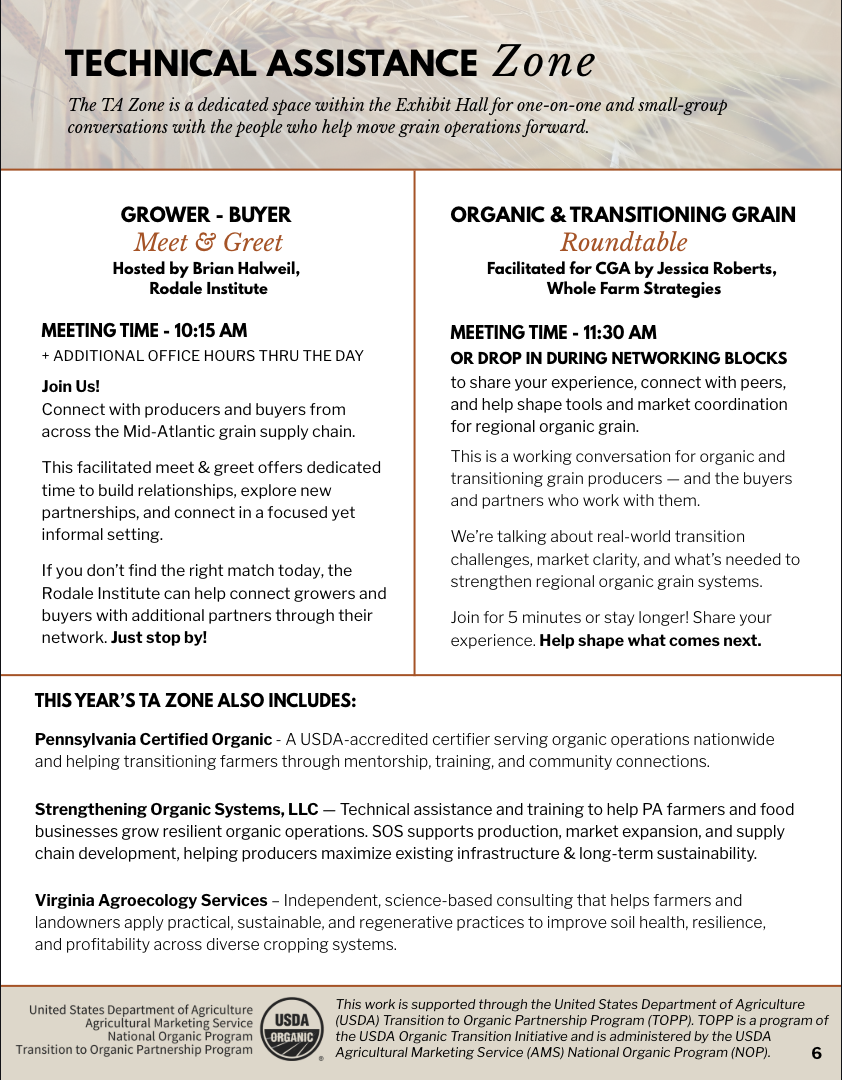
Ask an expert
New TA Zone at the Conference
Looking for practical guidance or the right person to talk to? Our new TA Zone at the Conference will offer open office hours with consultants, certifiers, buyers, and other technical assistance providers. Stop by during scheduled breaks for one-on-one or small-group conversations focused on real-world questions and next steps.
SPEAKERS
Conference Track:
REGENERATIVE & ORGANIC GRAIN FARMING
-
![]()
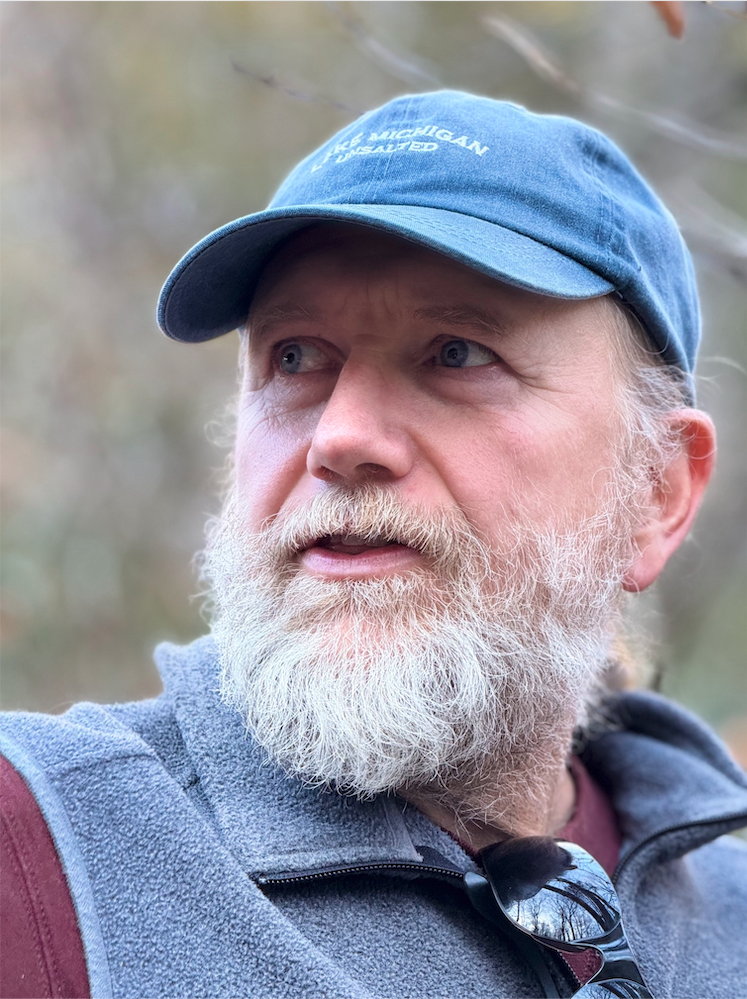
Klaas Martens
Klaas Martens is a pioneer in organic grain farming and a lifelong advocate for soil health and resilient cropping systems. Farming for more than 50 years—and certified organic for over three decades—Klaas has built one of the Northeast’s most respected organic grain operations at Lakeview Organic Grain in New York.
He grows a diverse mix of crops and has collaborated extensively with universities on research into organic systems, soil biology, and practical strategies for improving grain quality and farm resilience. Klaas is widely recognized for advancing biologically balanced crop rotations and for demonstrating that large-scale organic grain production can be both economically viable and ecologically sound.
Through decades of observation, experimentation, and collaboration, he has helped shape how farmers across the Northeast and Mid-Atlantic think about soil stewardship, crop diversity, and farming in harmony with natural systems.
-
![]()
Abbe Hamilton
Abbe Hamilton is a research project manager at Penn State, focusing on organic grains agronomic research.
-
![]()
Jason Myers-Benner
Jason Myers-Benner is a home farmer and an avid plant and chicken breeder with a focus on gathering and developing sustainable and climate-resilient genetics for chickens, staples, and vegetable crops, and learning and inventing low-input cropping and soil building systems. In 2024, he was awarded a SARE grant to study and improve some edible grain-type winter peas he'd bred and has been growing as a companion plant to winter wheat at home. The goal of the project is to develop winter hardy dwarf edible peas as a practical and scalable new high-protein, soil building intercropping option for winter wheat in his bioregion. He and his family have been living at and eating from their six acre home farm, Tangly Woods, in Keezletown, VA, for 20 years.
-
![]()
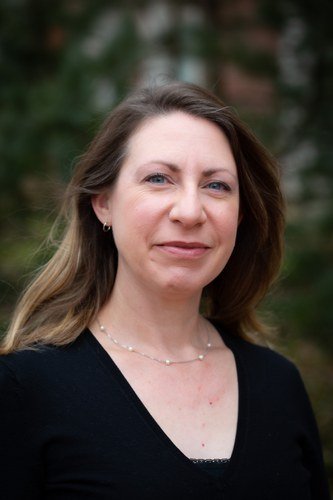
Dr. Alyssa Collins
Alyssa Collins, Ph.D.
Associate Research Professor
Director, Southeast Agricultural Research & Extension Center
Southeast Agricultural Research & Extension Center
The Pennsylvania State University -
![]()
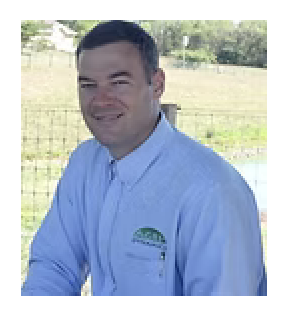
Matt Drane
Matt Drane is a military veteran and agriculture professional who applies systems thinking from his service background to soil health, plant nutrition, and farm resilience.
-
![]()
Eric Ranck
Eric is co-owner of Charvin Organic Farm in central Pennsylvania, where he farms with his father and two brothers. The farm manages 1,200 acres of organic corn, soybeans, wheat, spelts, hay, and pasture, milks 300 organic cows, and raises 2,400 organic hogs. Charvin Organic Farm has been organic since 1986 and has been growing spelts for 25 years, cultivating around 50 acres annually. Eric brings decades of experience in large-scale organic production and marketing of niche grains.
-
![]()
Jonathan Zeiset
Jonathan runs an organic hay and grain farm in Millersburg, PA. He grows einkorn, an ancient wheat, in rotation with other crops and also produces organic sunflower oil and meal from seeds grown on his farm. In addition to farming, Jonathan consults with other organic producers on soil and plant nutrition, crop rotation, and production strategies for specialty grains and oilseeds.

Conference Track:
GRAIN PROCESSING, MILLING, & QUALITY
-
![]()
Len Bussanich
Len Bussanich is the Co-Founder of River Valley Community Grains, miller and sales.
-
![]()
Larry Mahmarian
Larry Mahmarian is the Co-Founder of River Valley Community Grains, miller and sales
-
![]()
Mark Fischer
Mark Fischer is co-owner and operator of Castle Valley Mill in Doylestown, PA, where he and his wife, Fran, mill and sell locally grown stone-ground flours, meals, and grains. After a career in engineering, Mark restored the historic 18th-century grist mill and has spent the past 16 + years producing artisan products prized by bakers, chefs, and home cooks. Castle Valley Mill’s stone-ground grains are valued for their flavor, nutrition, and connection to local agriculture.
-
![]()
Nico Melas
Nico Melas is a farmer, miller, and baker in the Shenandoah Valley of Virginia. He and his wife run Mill Song Bakery, a bakery that mills all of its own flour, and exclusively sources grain from organic/regenerative farms within their own county and two neighboring counties. The journey to Mill Song Bakery began in 2008 when, as a Sustainability exchange student in Australia, he lived and farmed with Permaculture co-originator Dr. David Holmgren, where he was inspired to live and farm "beyond sustainability." From 2012-2017 he managed intensive urban vegetable production at the New Community Project permaculture learning center in Harrisonburg, and baked sourdough at home on weekends. In 2017, he was trained in the Paysan Boulangerie (peasant baker) tradition in rural France, where he learned hand-mixed, woodfired, sourdough baking, as well as stone-milling, and organic small grain agriculture. Currently, he is collaborating with Bowman Century Farm to grow regenerative heritage wheats and ancient grains, with a focus on minimal soil disturbance and trace mineral and micronutrient balance for maximum performance in sourdough bread.
-
![]()
Gary Knicely
Gary is an organic farmer with over 20 years of experience focused on regenerative agriculture. He experiments with cover crops, interseeding, soil microbiology, and nutrient management to build resilient cropping systems and solve practical field challenges.
-
![]()
Sean McGivern
Sean has more than 25 years of experience in seed cleaning, dehulling, flour milling, and the marketing of specialty grains and beans. After selling his own milling business in 2015—now operated as a cooperative—he shifted his focus to helping others design and build successful grain processing facilities. Through his company, North Valley Ag & Mill Equipment, Sean works with farmers and processors to develop seed cleaning, dehulling, and milling systems tailored to their production goals, supplying the equipment needed to bring projects from concept to completion.
-
![]()
Chris Dengler
Chris is the Lab Analyst at Snavely’s Mill, where he supports grain and flour quality testing through routine analysis, data collection, instrument calibrations, and ensuring technicians’ proficiency. His work helps ensure consistent product performance and provides critical quality information used throughout the milling and food safety teams.
-
![]()
Kelsey Meyer
Kelsey is the Food Safety Manager at Snavely’s Mill, where she leads food safety and quality initiatives for grain and milling operations. Her role includes managing compliance programs, supporting product integrity, and working with internal teams and external partners to maintain consistent, reliable production of flour.
Conference Track:
BAKING & FOOD CRAFT
-
![]()
Kat Jiang
Kat Jiang
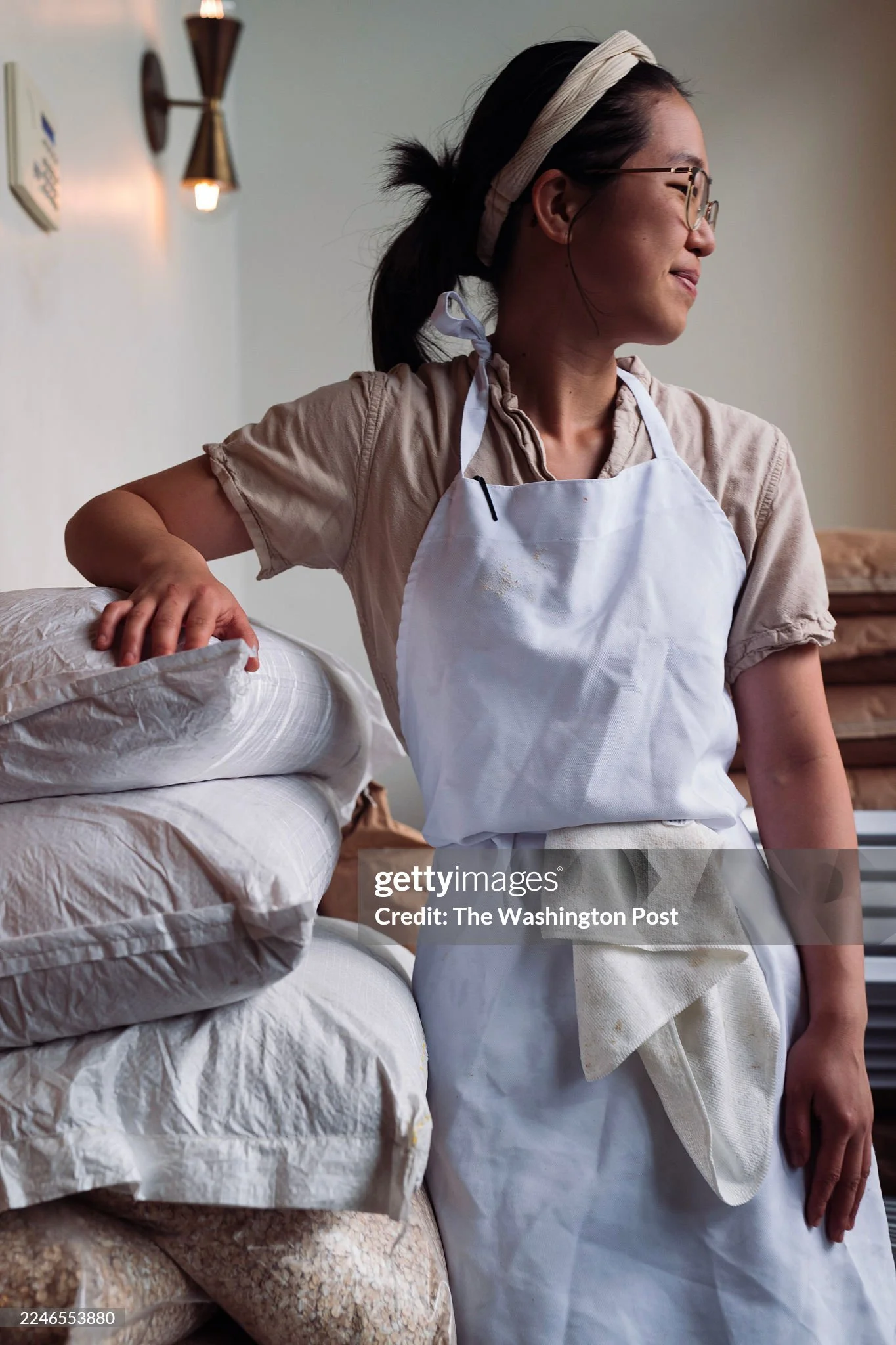
Kat is the Head Pastry Chef at SEYLOU, where she oversees laminated pastries, short breads, enriched doughs, and the savory program. Kat brings a business and operations background to SEYLOU, ensuring customers receive the highest quality product and welcoming experience during each visit. Kat is a graduate of the Metropolitan Culinary Arts Institute and the Massachusetts Institute of Technology.
SEYLOU BAKERY & MILL is an organic whole grain bakery and mill located in Blagden Alley, Washington DC. SEYLOU exclusively sources grains, produce, meats and dairy from over 20 farms in the mid-Atlantic region. 100% of the flours are fresh-milled on site to ensure maximum flavor and nutrition.
-
![]()
Kyle Wood
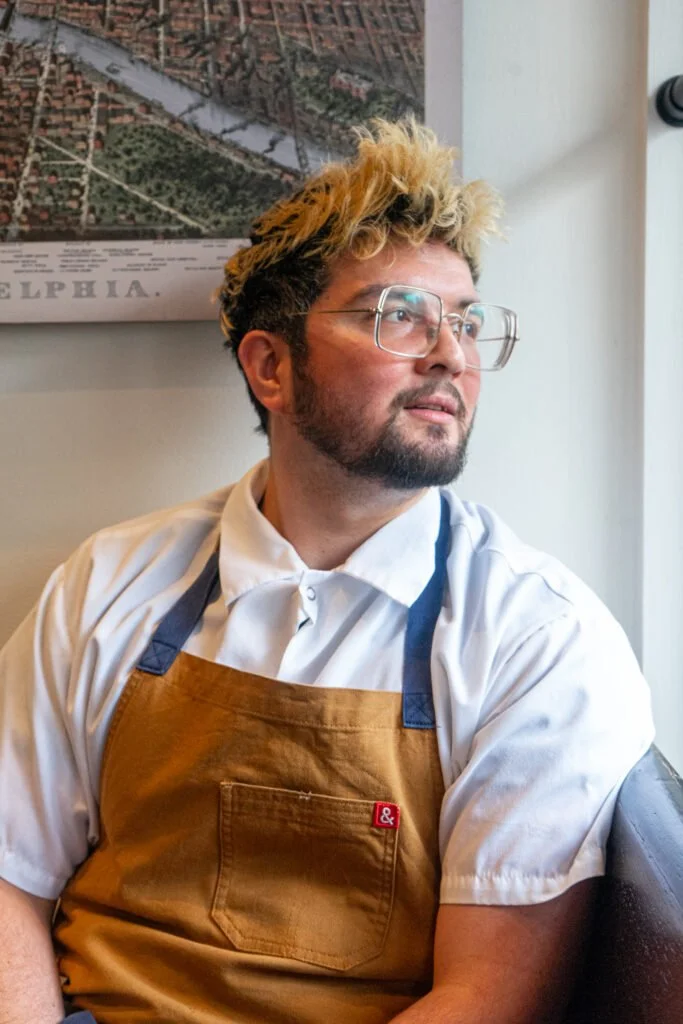
Kyle Wood, Head Baker, joined High Street Bakery from Birmingham, Alabama, where he trained at Continental Bakery and Chez Lulu. After serving as High Street’s Production Manager for two years, he worked under Delilah Pergola to deepen his expertise in Philadelphia’s local grain scene, natural long sourdough fermentation, and artisan bread production. Today, Kyle oversees all bread production across the High Street group — from restaurants to farmers markets to retail bakery operations.
-
![Kathryn Phelan]()
Kathryn Phelan
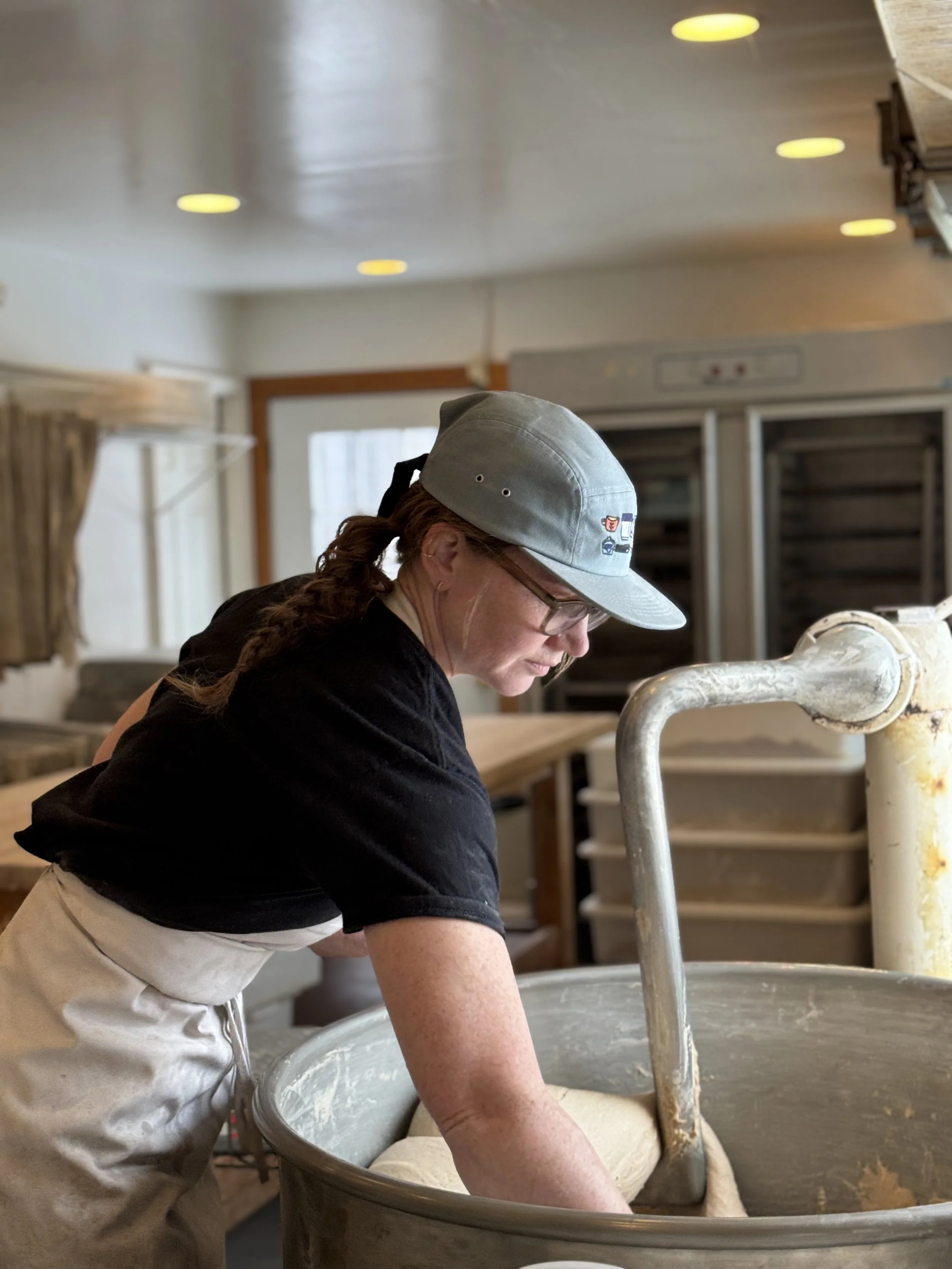
Kathryn Phelan is a baker, illustrator and freelance culinary consultant with a specialty in fine-tuning logistics and operations of sourdough bakeries and production schedules. She loves a well put together spreadsheet, and equally loves aiding bakers through the process of discovering their own personal rhythm. Kathryn has consulted with sourdough bakers in New York, California, Rhode Island, Paris and Nicaragua. She currently lives in Vermont, baking at Elmore Mountain Bread and making mills at New American Stone Mills.
-
![]()
Gabby Benvenutti
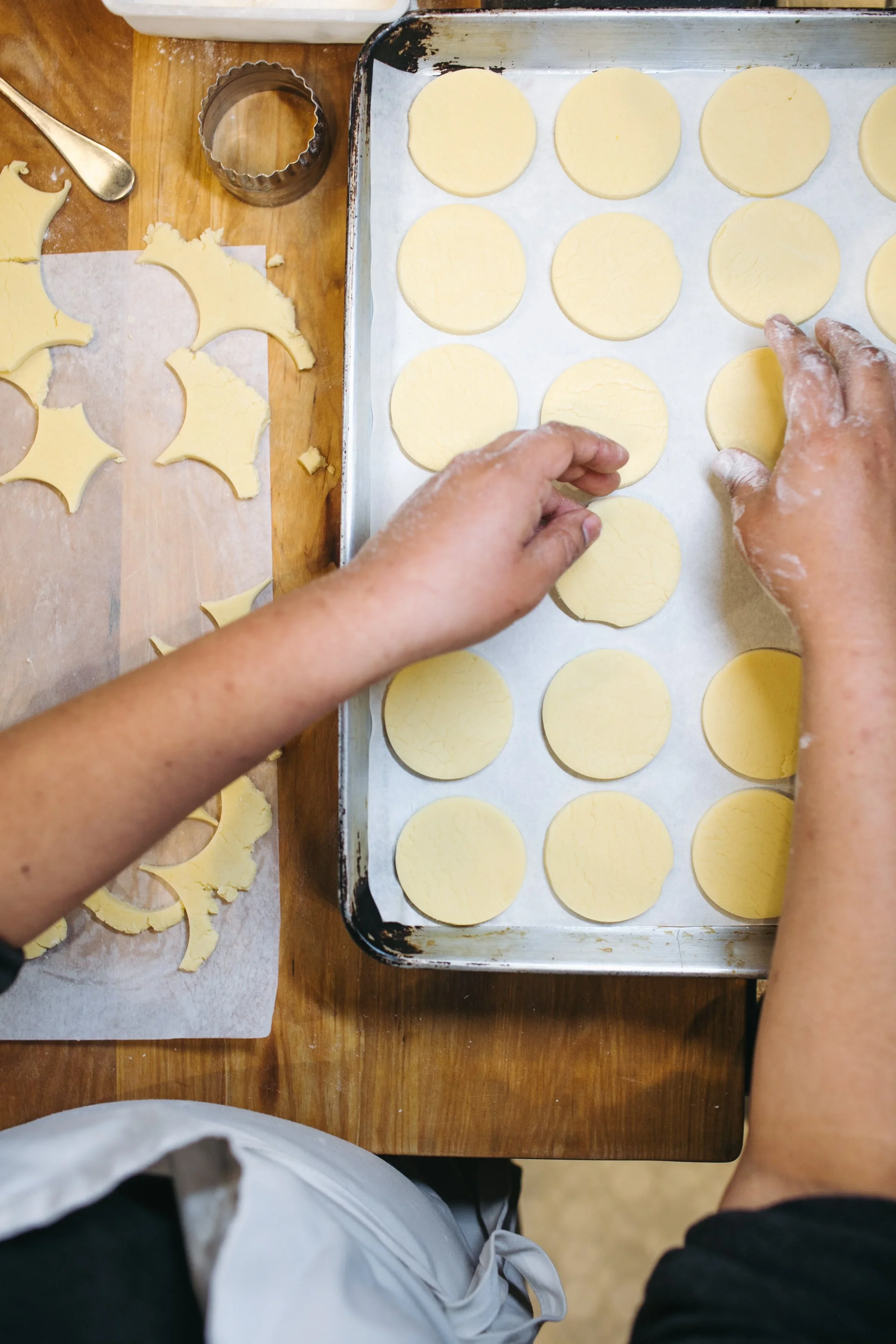
Gabby is head pastry chef of Jezabel’s, a celebrated bakery, restaurant, and market established in 2010 that showcases the rich culinary traditions of Northwestern Argentina. Known for its artisanal empanadas, flaky pastries, and traditional yerba mate, Jezabel’s reflects the flavors, aromas, and memories of her Argentine upbringing.
-
![]()
Gina Rubinetti & Chris Wright
Gina Rubinetti and Chris Wright are co-founders of The Pasta Lab, established in 2018 to showcase the flavor and versatility of freshly milled local grain. What began as a shared passion for sourdough baking — and an apartment overtaken by wheat berries and a tabletop grain mill — evolved into a mission-driven pasta company rooted in regional sourcing.
Using freshly milled flour from Northeast grain producers, Gina and Chris craft hand-formed, extruded, and filled pastas that highlight the aroma, texture, and depth of whole grain. Committed to supporting local agriculture, they source additional ingredients from small regional producers and sell their pasta at farmers’ markets and retailers throughout the Philadelphia area.
Conference Track:
MALTING, BREWING, & DISTILLING
-
![]()
Herman C. Mihalich
Herman C. Mihalich is the founder and master distiller of Dad’s Hat Pennsylvania Rye Whiskey, one of the first distilleries to bring classic Pennsylvania rye back into production since Prohibition. Raised above his family’s bar in Monessen, PA, Herman left a career in chemical engineering to follow his passion for craft distilling. Since 2011, he has focused on small-batch rye production, working with local farmers and traditional methods to create whiskey that honors Pennsylvania’s heritage.
-
![]()
Nick Santantonio
Nick Santantonio is an assistant professor in the School of Plant and Environmental Sciences at Virginia Tech, where he leads the university’s Small Grains Breeding and Genetics Program. Santantonio’s work focuses on combining advanced genotyping and high-throughput phenotyping with quantitative genetics to accelerate the development of improved wheat and barley varieties suited to changing environments and regional needs across eastern North America.
Before joining Virginia Tech, he contributed to public breeding programs in alfalfa at New Mexico State University and small grains at Cornell University. Santantonio collaborates with researchers worldwide to enhance genetic improvement of grain crops and strengthen traits such as yield, disease resistance, and grain quality. His work supports farmers, maltsters, and grain users by helping develop adaptable, resilient small grain varieties.
-
![]()
Tony Shahan
Tony Shahan is a public historian who has spent over 38 years working in museums. For most of this time, he has worked in historic mills where he has been involved in research and documentation, restoration, interpretation, and operation of these historic treasures.
During his career his passion has expanded to historic food and beverage. He mostly works with 17th and 18th century recipes but has recreated beverages and dishes from ancient Greece, Rome, Egypt, Medieval Europe, and the 19th century. His specialty has become fundraising dinners featuring historic food and drinks. Tony regularly creates historic drinks during classes and for curated tastings.
Throughout his career he has combined his love of historic trades with experimental archaeology and has led projects in brick making, manufacturing potash, recreating a 1739 experimental kitchen and pantry, and most recently rebuilding a water wheel using only 18th century tools and techniques. He is experienced with hearth cooking, wood-fired bake ovens, brewing and distilling, including recreating several historic beers. He has worked in an 1806 brewery, a reconstructed 1850 brewery, and George Washington’s Distillery at Mt. Vernon.
-
![]()
Eric Wolfe
Erik Wolfe is a co-founder and distiller at Stoll & Wolfe Distillery, where he carries forward a legacy of Pennsylvania rye craftsmanship. With a deep respect for traditional methods, local grain, and regional history, Erik helps craft spirits that honor the past while appealing to the sensibilities of modern craft spirits consumers.
-
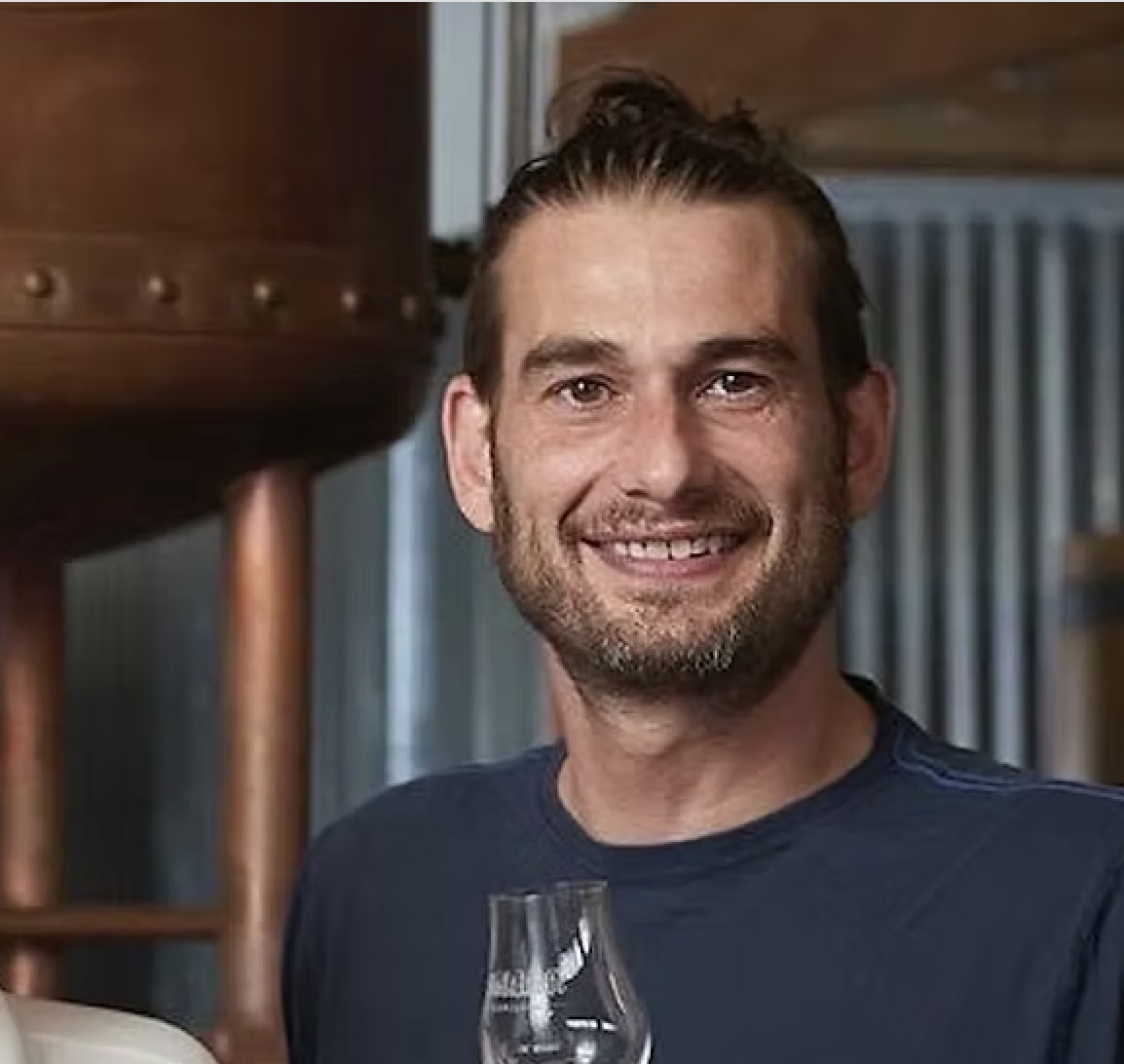
![]()
Keith Hartwig
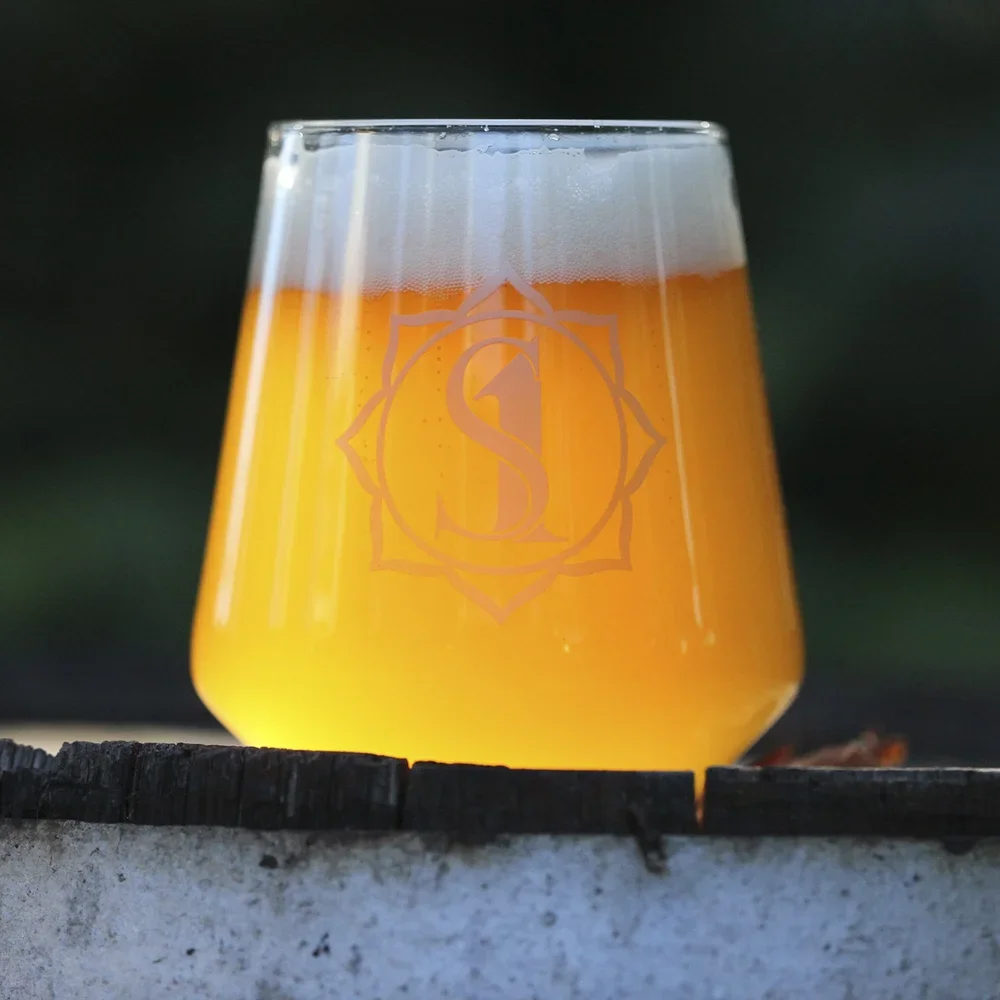
Keith Hartwig is co-founder of SUCCESSION Fermentory, a Pennsylvania farmhouse brewery dedicated to expressing regional agriculture and ecology through fermentation. A brewer, artist, and educator, Keith’s work centers on building meaningful connections between people, food producers, and the landscapes they share.
Founded in 2021, SUCCESSION Fermentory grows, forages, and ferments with the goal of capturing flavors unique to place and season. The brewery specializes in spontaneously fermented beers produced using a koelschip, open fermentation, and barrel aging—embracing the ecological concept of succession, where communities evolve over time through layered biological processes. In addition to its spontaneous program, the brewery crafts sour and farmhouse beers that highlight the diversity and quality of Pennsylvania agriculture.
Keith’s work reflects a commitment to regional grain, environmental stewardship, and fermentation as an evolving expression of place.
-
![]()
Tyler Wert
Tyler Wert is co-owner and head brewer of Blindhouse Beer Co, a Roanoke-based brewery devoted entirely to open-fermented, mixed-culture farmhouse ales.
The name “Blindhouse” comes from a little-known regional term describing a windowless cottage historically used to sober the drunk and disorderly. Somewhat ironically, it reflects the brewery’s single-minded focus: crafting thoughtful, expressive beer using traditional techniques and regionally sourced ingredients.
Nestled just west of downtown Roanoke in a former industrial neighborhood turned brewery district, Blindhouse offers a style all its own. Every beer is open-fermented and rooted in the Saison tradition, with an emphasis on mixed-culture fermentation. Native yeast and bacteria — present in the air, on leaves, flowers, and wild fruit — are harnessed to create layered expressions of Southwest Virginia’s microflora. The resulting beers feature classic Belgian Saison esters, floral and fruit aromatics, and delicate acidity. Their beauty lies in nuanced simplicity: equally suited to food and conversation, yet compelling enough to stand on their own.
Tyler began his brewing journey as a homebrewer, learning through trial, error, and curiosity. After moving through Virginia’s growing craft beer communities — from Charlottesville to Richmond — he enrolled in the Craft Brewing Certification program at the University of Richmond. Midway through the program, he joined Triple Crossing Beer as a cellarman and quickly advanced to a full-time brewing role.
While at Triple Crossing, Tyler took the reins of a small barrel program and began experimenting with mixed fermentation. Given the freedom to test, fail, and refine his process, he developed a deep appreciation for the complexity and patience required in mixed-culture brewing — occasionally dumping batches, but steadily building expertise.
In April 2024, Tyler and co-owner Nicole Davidson-Wert realized their long-held plan to relocate to Roanoke and open Blindhouse Beer Co, drawn by the city’s collaborative spirit and space for creative independence. Today, Blindhouse brings together family, friends, and neighbors over beers that reflect the spirit of Virginia and greater Appalachia — through their eyes.
-
![]()
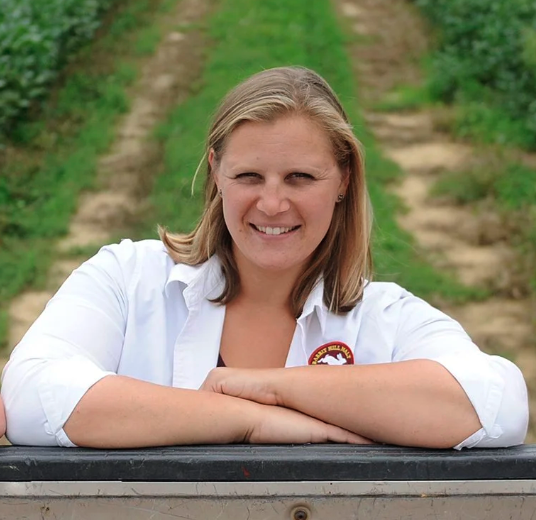
Hillary Barile
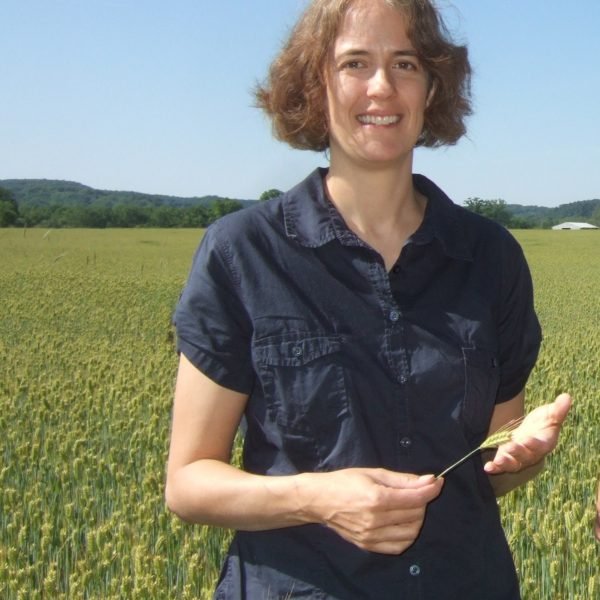
Hillary Barile is co-founder of Rabbit Hill Malt, New Jersey’s first craft malthouse, located on her family’s fifth-generation farm. At Rabbit Hill Farms, Hillary and her brother Blair Bakker built a floor malting operation dedicated to producing high-quality, locally grown malt for regional breweries and distilleries.
Founded in 2015, Rabbit Hill Malt combines sustainable grain farming with traditional floor malting methods to create malt with a true sense of place and a shorter, more transparent supply chain. What began as an effort to support local brewers with better access to regionally grown ingredients has grown into a respected craft malthouse serving producers across New Jersey and beyond.
Hillary’s work centers on strengthening connections between farmers, maltsters, and beverage makers while upholding her family’s generations-long agricultural legacy.
-
![]()
James & Melissa Priest
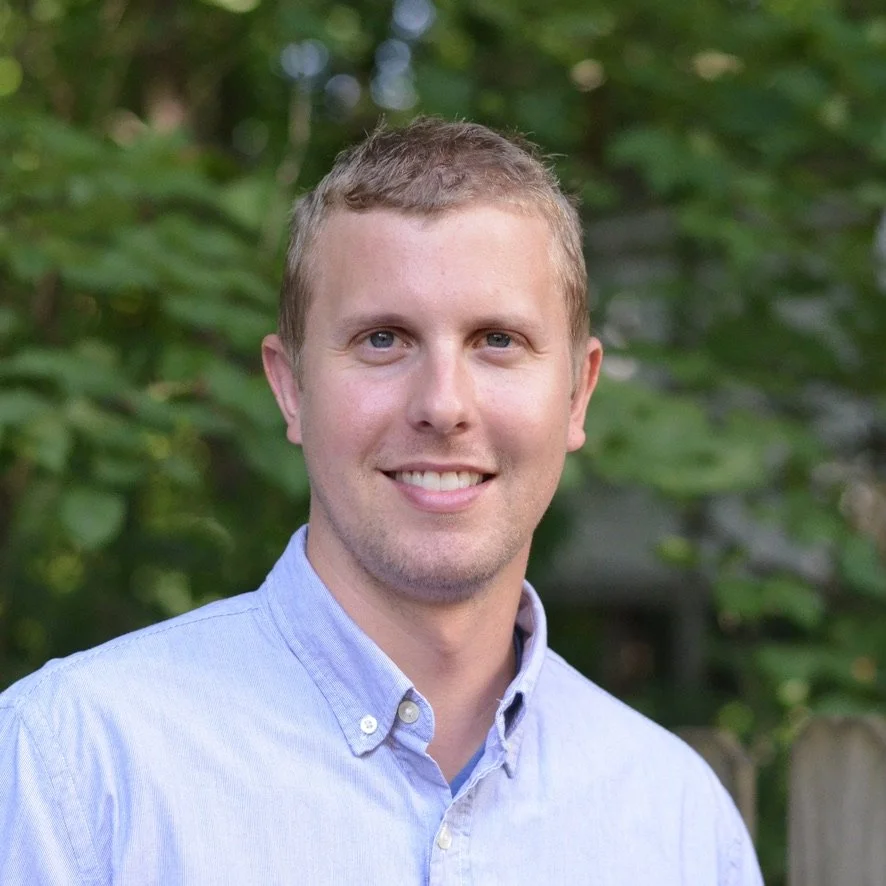
James Priest is founder, brewer, and blender at The Referend Bier Blendery in Kutztown, Pennsylvania. Since 2016, he has produced beer exclusively through spontaneous fermentation, relying on native microflora captured in a coolship rather than added yeast cultures. Working with locally grown grain—primarily raw wheat and floor-malted barley—and fruit sourced from Pennsylvania and neighboring states, James crafts beers that develop over months and years in oak barrels before careful blending. His work centers on patience, terroir, and allowing natural processes to shape beers of depth, complexity, and long aging potential.
Melissa Ducommun Priest, PhD is co-founder of The Referend Bier Blendery and serves as researcher and documentarian of the project’s work. Her academic background informs the blendery’s commitment to rigorous observation, long-term experimentation, and thoughtful interpretation of spontaneous fermentation. Together, James and Melissa have built a farmhouse brewing and blending operation rooted in regional agriculture, ecological expression, and the disciplined art of waiting.
-
![]()
Jeff Bloem
Jeff is the Founder of Murphy & Rude Malting Co., a 200-ton annual capacity craft malt house in Charlottesville, Virginia and currently serves as CGA’s board finance chair. Murphy & Rude Malting Co. has partnered with over 100 breweries, distilleries, and bakeries emphasizing these industries’ connection with Virginia agriculture. Murphy & Rude Malting’s direct work with Virginia grain growers and downstream craft beverage producers provides Jeff a unique perspective on the strengths, weaknesses, and opportunities in stimulating a more localized supply chain. Jeff is a member and supporter of the Craft Maltsters Guild, Virginia Grain Producers Association, Common Grain Alliance, the Master Brewers Association of the America’s, and was recently appointed by Gov. Ralph Northam to the Virginia Spirits Board. He was recently invited to serve as an adjunct lecturer for the University of Richmond’s (UR) School of Professional and Continuing Studies Craft Brewing Certification course, as well as UR’s Virginia Brewing Development Council, bringing together leaders in Virginia’s agriculture, workforce development, and brewing communities to plot a course towards a more integrated supply chain by way of certification-based education, improved infrastructure, and effective promotion of Virginia-made ingredients.
-
![]()
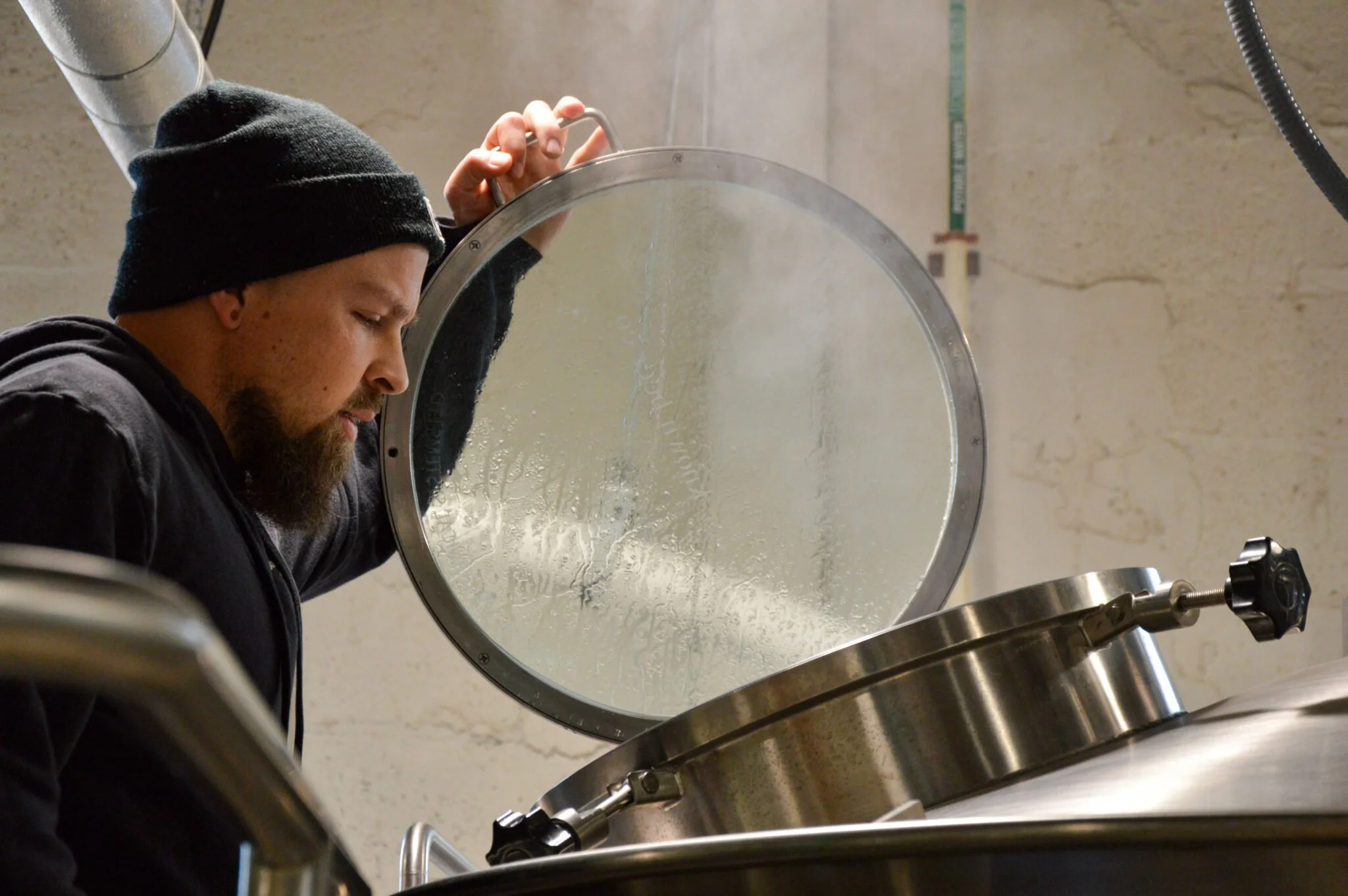
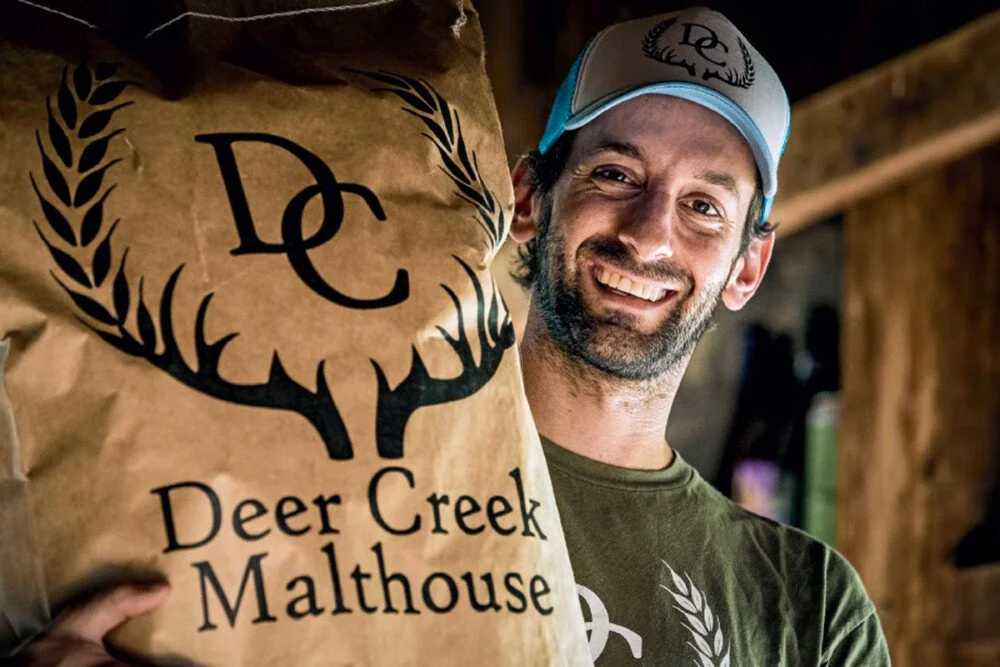
Mark Brault
Mark is a scientist, craftsman, and a supply chain professional who has lived and worked in the greater Philadelphia area for the last two decades. He has a diverse background from research to commercialization through leadership roles in the pharmaceutical, agricultural, and food/beverage sectors. Mark is co-founder and President at Deer Creek Malthouse, which produces malt ingredients for the craft food and beverage industries. Mark co-founded the Philly Grain & Malt Symposium which has merged with the CGA Mid-Atlantic Grain Conference. The symposium was a convening event that brought hundreds of industry professionals and consumers together annually to network, educate, and market products made with local grain and malt. Mark has also led successful consumer marketing events including Malt-A-Palooza and the Grain Train.
Conference Track:
MARKETS, BUSINESS, & REGIONAL FOOD SYSTEMS
-
![]()
Leilani Durand
Leilani is a farm consultant, ecologist and agronomic educator with over 15 years’ experience in biological and organic farming. She is currently working at Pennsylvania Certified Organic (PCO) as Program Director for the USDA Transition to Organic Partnership Program for the Northeast region, working to support farmers through the transition to organic process. Leilani grew up in southwestern Wisconsin where she learned about the importance of soil health and diverse crop rotations on her family’s small organic farm. She has written and spoken widely on the topics of soil health and fertility, and has co-authored two books on biological farming. Before coming to PCO, Leilani worked as the VP of Research and Development at Midwestern BioAg where she developed and tested carbon-based fertilizers.
-
![]()
Chris Johnson
Chris Johnson is cofounder of Tuscarora Grain Co. LLC and Lazy Dog Farms LLC, where he administers the day-to-day operations of Tuscarora Grain Co LLC and marketing Organic grain into the east coast feed and food markets as well as pet food industries.
For the past 10 years Chris oversaw Lazy Dog Farms LLC located in eastern PA. LDF farmed approximately 650 certified organic acres growing organic corn, soybeans, wheat, barley, oats and hay. Chris has spent much of his career working with growers on nutrient management, nitrogen efficiencies, cover cropping, specialty grain production, irrigation/water management and procurement/sales of specialty grains.
Chris holds a BA in Dairy and Animal Science from Penn State. Chris has consulted with growers throughout the Mid-Atlantic states for many years. Chris is experienced in Agriculture Finance, Conventional and Grass based Dairies, Large Animal Nutrition, Grain and Ingredient Procurement and Sales, Truck & Rail Logistics, Conventional and Organic Agronomic Consulting and Grain Marketing.
-
![]()
Jeff Kostuik
Jeff Kostuik has always been involved in agriculture and developed a passion for hemp in 1998 when he started researching hemp agronomy and managing variety trials for Manitoba Agriculture as a research Agronomist.
Jeff is a pedigreed seed grower and studied agriculture at the University of Manitoba. In 2012 Jeff obtained a B.G.S. from Athabasca University where he graduated with Distinction. He is a Certified Crop Advisor and is a member of the Manitoba Institute of Agrologists.
Jeff is also a past director of the Canadian Hemp Trade Alliance, where he currently holds the position of Chair of the National Variety Trials Committee and Minor Use Registration.
-
![]()
Sarah Mitchell
Sarah Mitchell is King's AgriSeeds Industrial Hemp Specialist. Hired in 2019, she spearheaded King's AgriSeeds efforts to launch Certified hemp seed into the US market.
With farmers' business prospects in mind, Sarah links plant breeders to farmers to processors in order to bring appropriate varieties to market. She is keen on crop performance, growing nearly 50 varieties of hemp -- several for screening purposes prior to introduction. She has worked with growers from coast to coast, border to border, including Alaska and Hawaii.
-
![]()
Chad Rosen
Chad Rosen of Victory Hemp Foods is a food ingredient processor in Carrollton, KY. He began Victory Hemp in 2014 with a goal to create demand for 200,000 acres of hemp grain by 2030. As an entrepreneur in this specialized market, Chad did his homework on consumer trends and local supply chains. Hemp seed products answer increasing demand for less processed foods featuring plant-based protein and polyunsaturated fats. Victory Hemp Foods created new jobs in a rural community, and offered farmers a new revenue stream with a crop that improves soil health.
-
![]()
June Russell
June Russell is the Director of the Grains and Staples program at the Glynwood Center for Regional Food and Farming. June has worked with organic farmers for over three decades with a focus on market development and consumer education and has acted as a value chain coordinator and strategist for the revival of grains, beans and other staple crops on diversified farms and in regional food systems across the Northeast.
Glynwood Grains and Staples seeks to build markets for emerging small grain and legume production systems, with an emphasis on climate-smart varieties and production methods. Projects and services include value chain coordination for farmers and buyers, commercial and pro-sumer baker education, sensory evaluation of new varieties, and piloting new sales channels for small- and medium-scale farmers.
-
![]()
Henry Blair
Henry Blair, Grains & Staples Program Manager at Glynwood Center for Regional Food and Farming, supports value-chain coordination between researchers, farmers, processors, and end-users to increase the acreage and utilization of grains, dry beans, and other staple crops in the Hudson Valley and broader Northeast.
Henry has been working in the food industry for 15 years in a range of capacities. He cooked and baked professionally for several years before discovering GrowNYC Grains where he worked as Sales Associate and then Operations Manager building markets and establishing relationships throughout the supply chain during a significant program growth phase. In Vermont he worked for UVM Extension coordinating grain field trials, lab analysis, and outreach to grain farmers and end-users. Before joining Glynwood full-time he worked as a consultant for nearly two years supporting various research, outreach, and events for the Grains & Staples program, primarily involving rye.
-
![]()
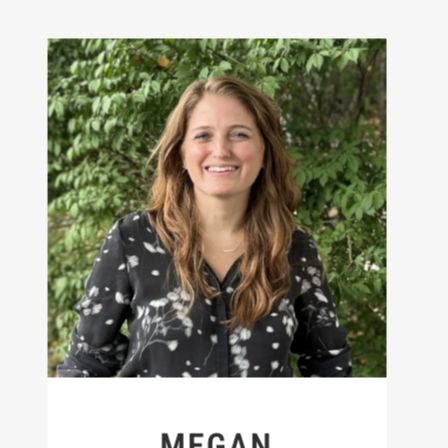
Megan Chawner
Megan advises farmers on implementing and maintaining organic/regenerative farming systems. She has a Bachelor of Science in Biology from Lafayette College, and a Master of Science in Soil Science and Agroecology from the University of Wisconsin. Prior to coming to TeamAg, Megan worked directly with farmers to help them troubleshoot production problems and to deliver educational programming about sustainable agricultural practices like cover cropping, reduced tillage, and soil health. Her services include developing organic crop management plans, conducting sampling and scouting and making organic/regenerative recommendations to enhance production.
-
![]()
Sage Dennis
Sage Dennis is an Organic consultant with the Rodale Institute. Prior to his wokr in Organic Agriculture, Sage travelled through various countries as a travelling farmhand. Seeing different approaches, practices, and beliefs within agriculture is what ignited his passion of sustainable agriculture and wishes to take these life experiences and use to better service our clients.
-
![]()
Heidi Exline
Heidi is a deputy director of the NY and NJ division of American Farmland Trust. She leads the division's land access, farm to institution, and communications portfolio. Heidi grew up on a farm in Iowa, discovering her true passion for agriculture after moving to New York City and managing a program to connect upstate produce with emergency food programs. She most recently spent ten years in the NYC government in a number of roles focused on health equity in BIPOC communities, including as project manager to open three Neighborhood Health Action Centers and program director of a multi-million-dollar initiative to support COVID-19 vaccine equity. Her extensive background also includes supporting FoodWorks, NYC’s first comprehensive plan for the city’s food system, and helping recruit the next Edible Schoolyard; a year in India as a Fulbright researcher; time behind the counter as a cheesemonger and a summer as an assistant cheese maker in Vermont; and teaching NYC teens how to cook as an afterschool culinary instructor. Heidi holds a Bachelor of Arts in social work and a Master's in urban planning with a concentration in food systems and has over 20 years of nonprofit and government experience.
-
![]()
Steven Haring
Steve is the founder of Virginia Agroecology Services, and he is an experienced researcher and educator with a passion for integrated pest management, crop diversity, and resilient food systems. A past career as a sustainable ag researcher gave Steve experience with annual and perennial cropping systems across the United States. He lives in Central Virginia with his wife and dog, where he is establishing a cider apple orchard.





THE MID-ATLANTIC GRAIN CONFERENCE IS MADE POSSIBLE
BY OUR SPONSORS & PARTNERS:




Interested in becoming a sponsor? Click here for more information
or contact <lindsay@commongrainalliance.org>